Wineries in Tuscany
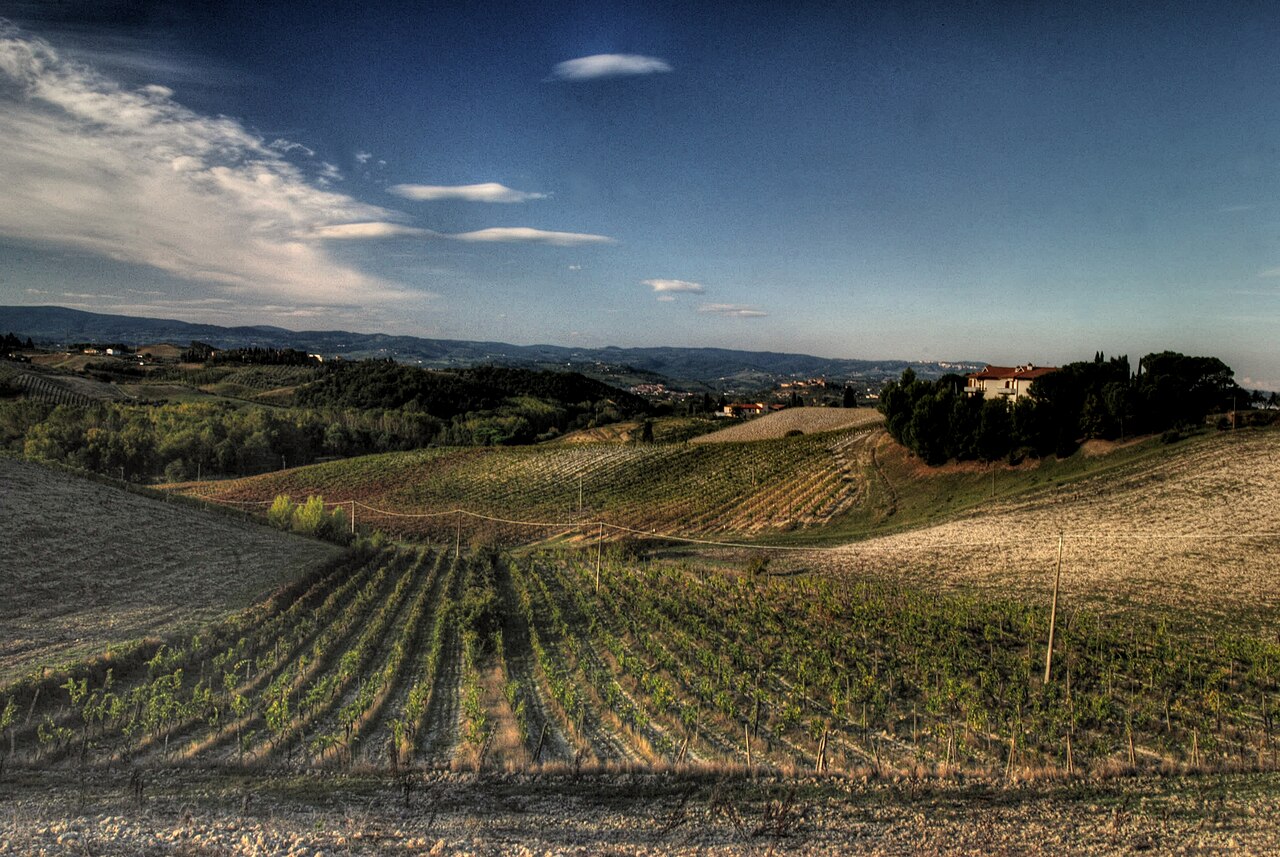
One of Italy's oldest and most prestigious wine estates, dating to 1385.
Details →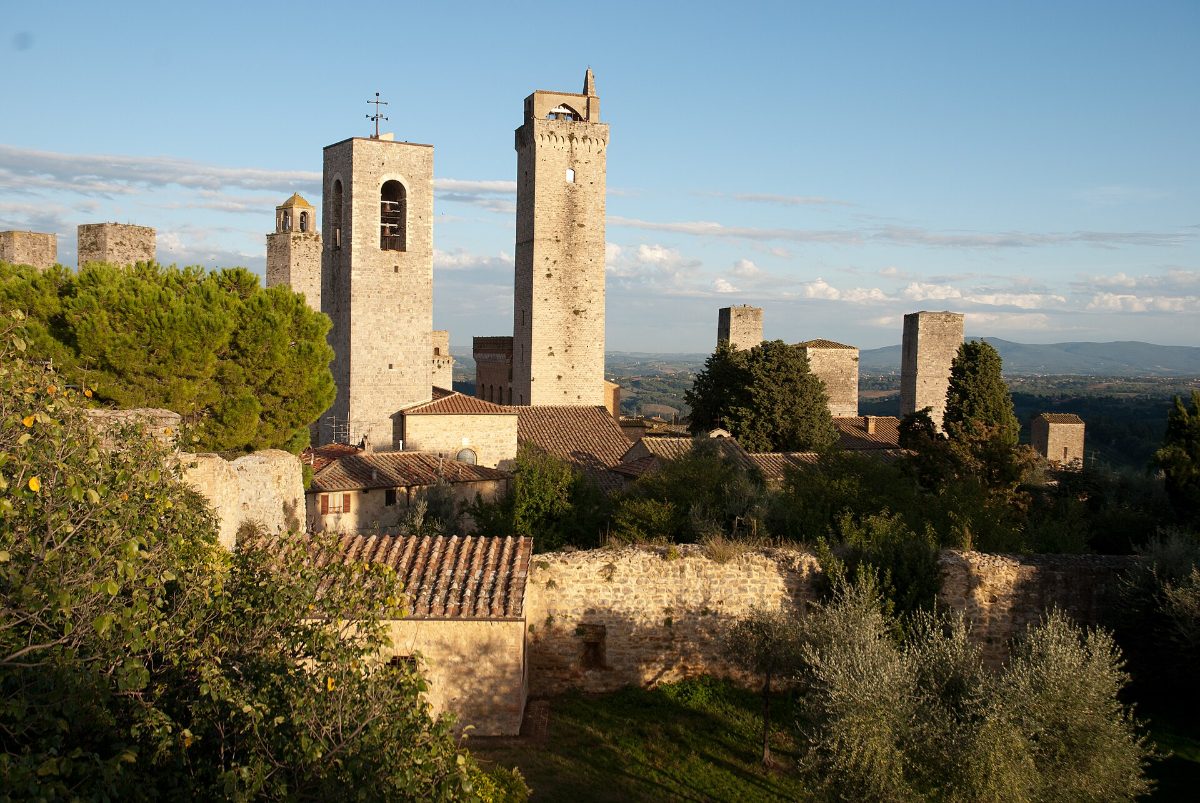
The reference producer for Vernaccia di San Gimignano — four distinct interpretations of the grape, from crisp and mineral to a rare passito.
Details →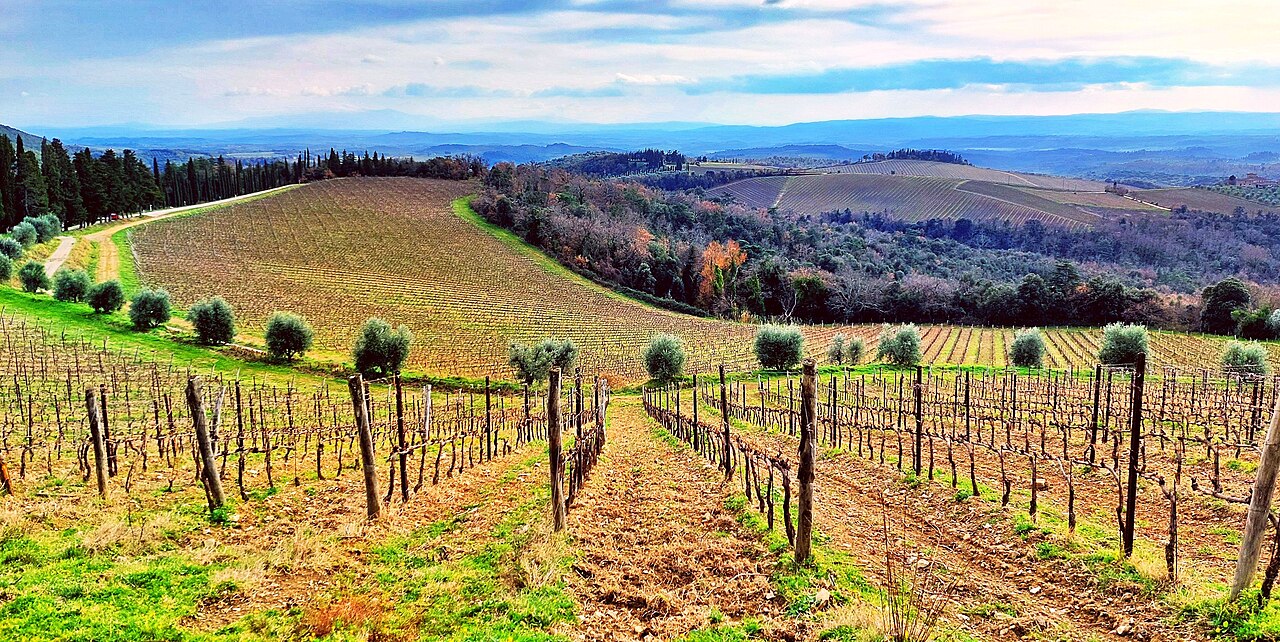
One of Chianti Classico's most celebrated estates, in Gaiole in Chianti — also a contemporary art destination, with site-specific installations woven through the vineyards.
Details →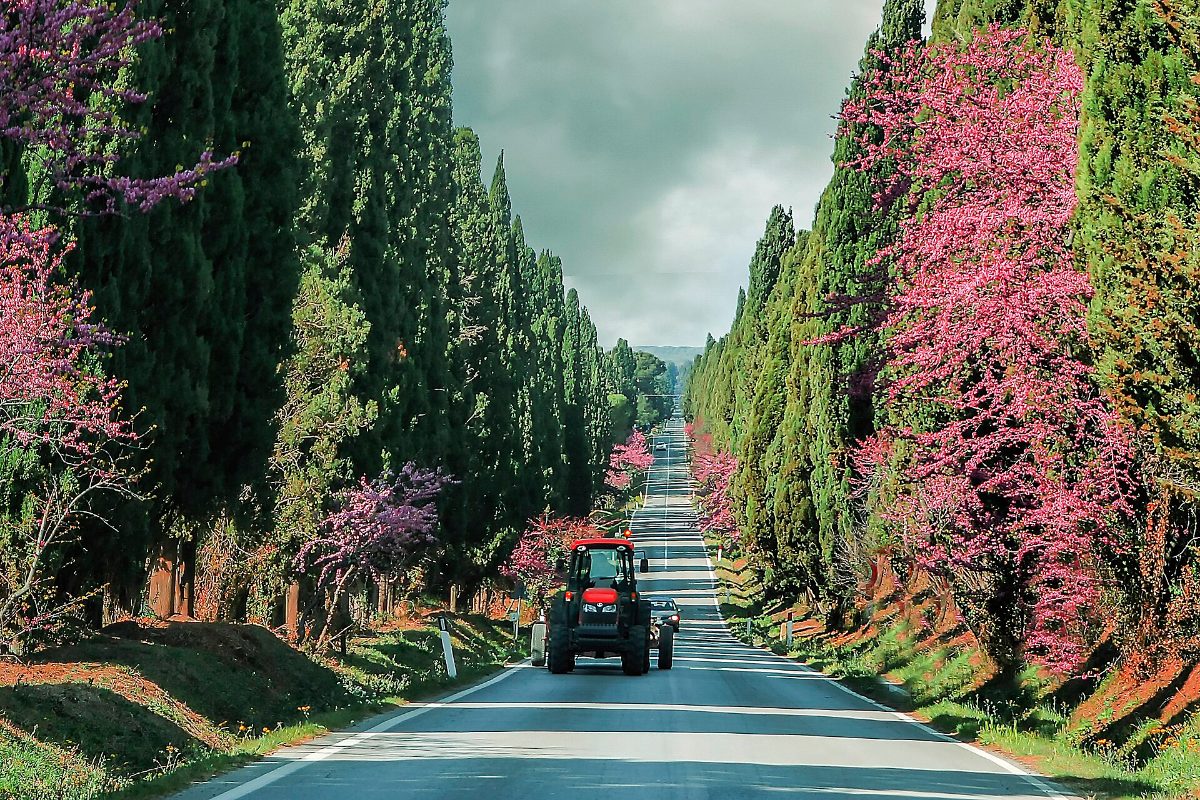
One of the estates that put Bolgheri — the Super Tuscan coast — on the world map. Appointment-only, in the same stretch of gravelly coastline as Sassicaia.
Details →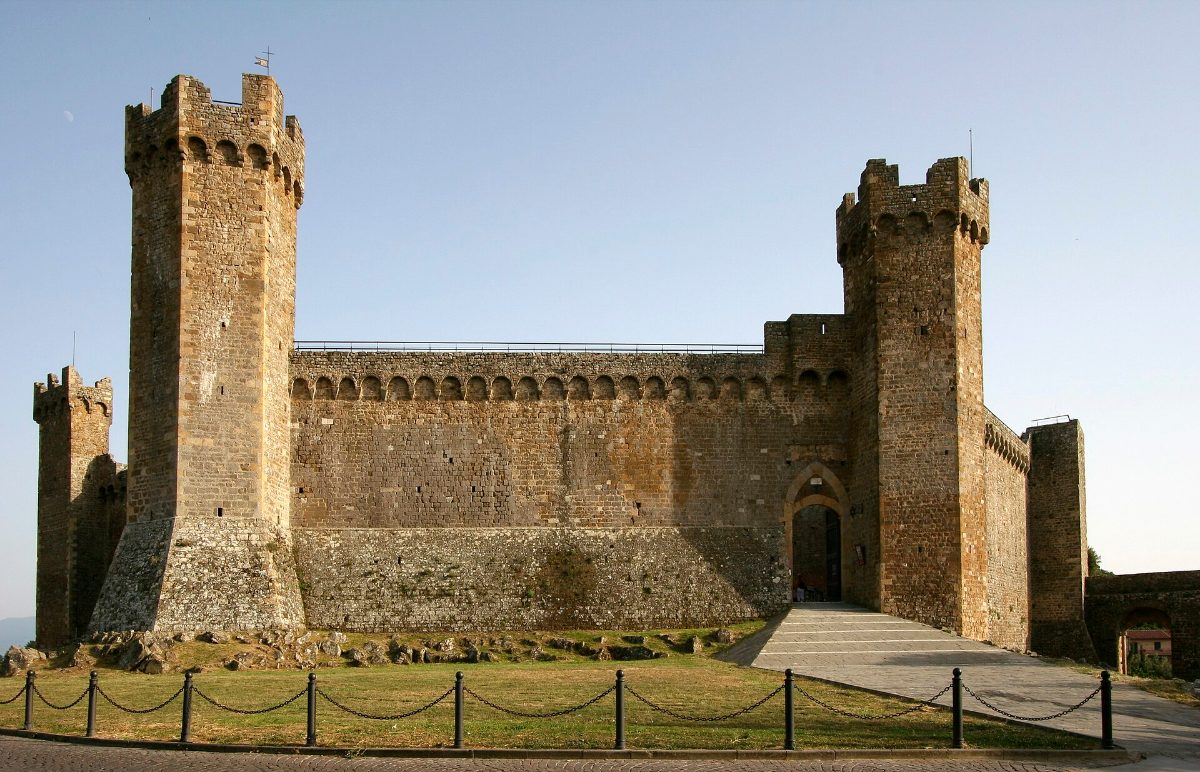
The estate that created Brunello di Montalcino in the 19th century — Clemente Santi's 'selected red wine' won an award at the 1865 Paris Universal Exposition. Extremely selective about visits; a credible reason to be there helps.
Details →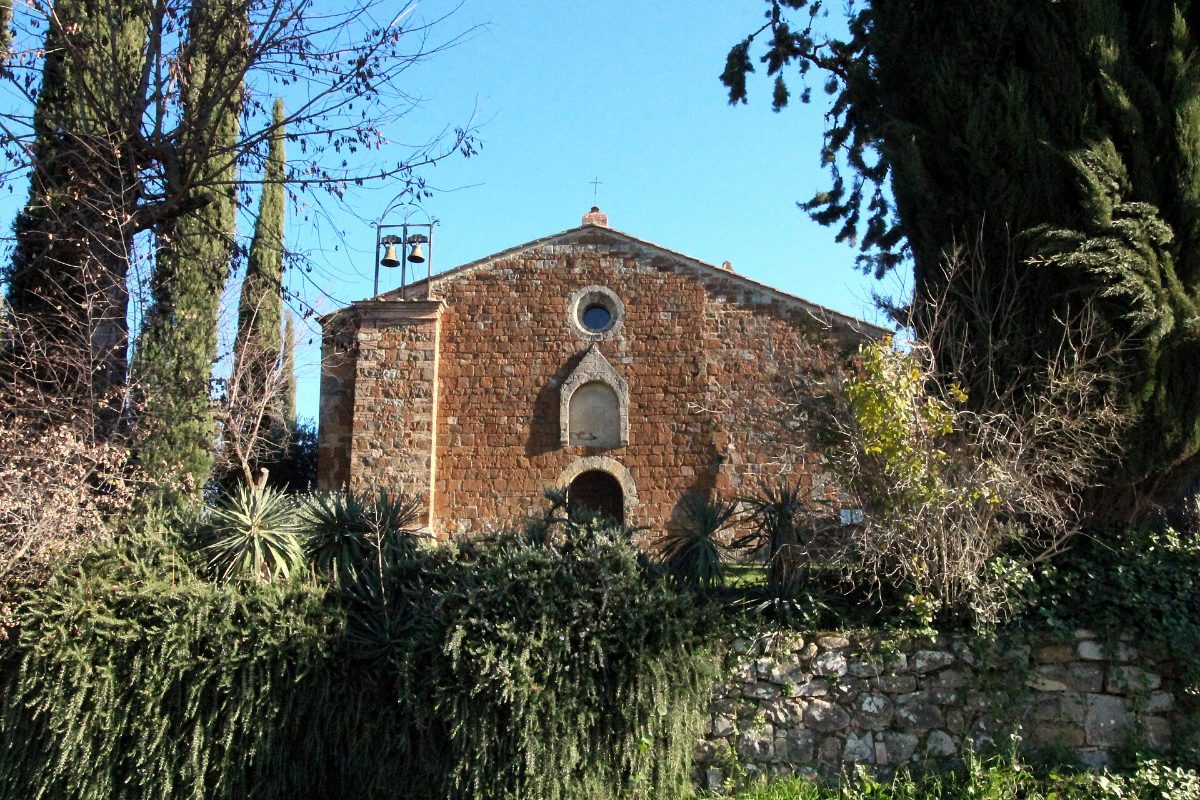
Founded in 1978 by two Italian-American brothers, John and Harry Mariani, around the medieval castle of Poggio alle Mura on Montalcino's southern slopes. Brunello here must be 100% Sangiovese and by law cannot be sold until five years after harvest — the tour explains why that patience matters. Wine shop, two restaurants and a hotel in the castle hamlet.
Details →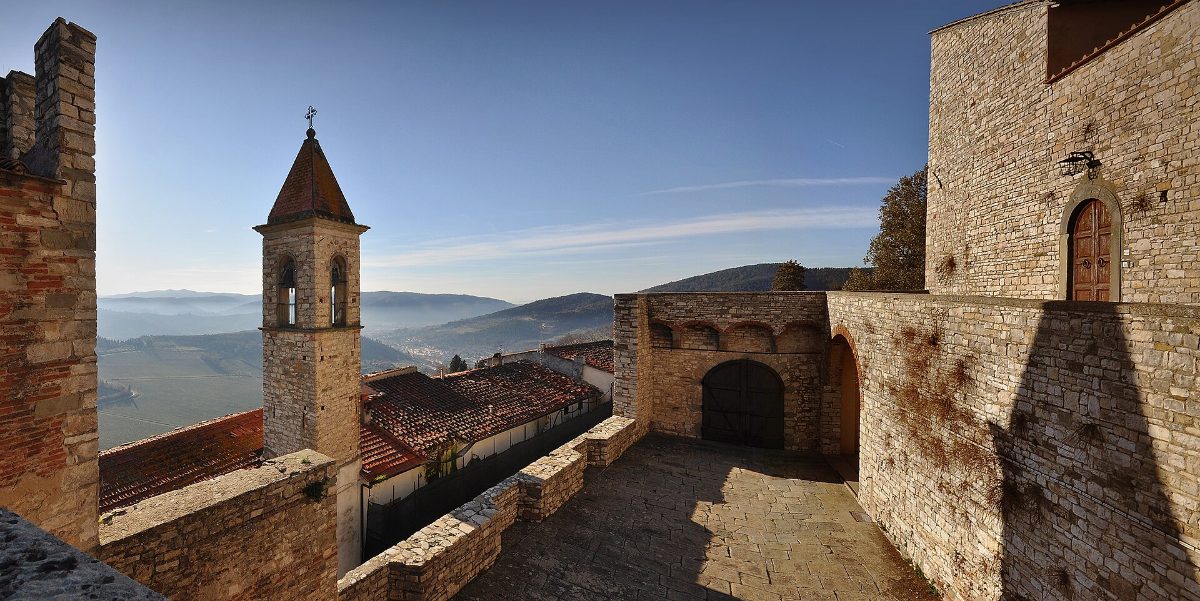
A thousand-year-old castle that once guarded Florence, home of the Frescobaldi family's most famous wine. It sits in Chianti Rùfina, the smallest and highest Chianti subzone: cooler nights give a brighter, more fragrant Sangiovese than the Classico hills. Twenty minutes from Florence, with four rooms in the old olive press and private-cellar tastings.
Details →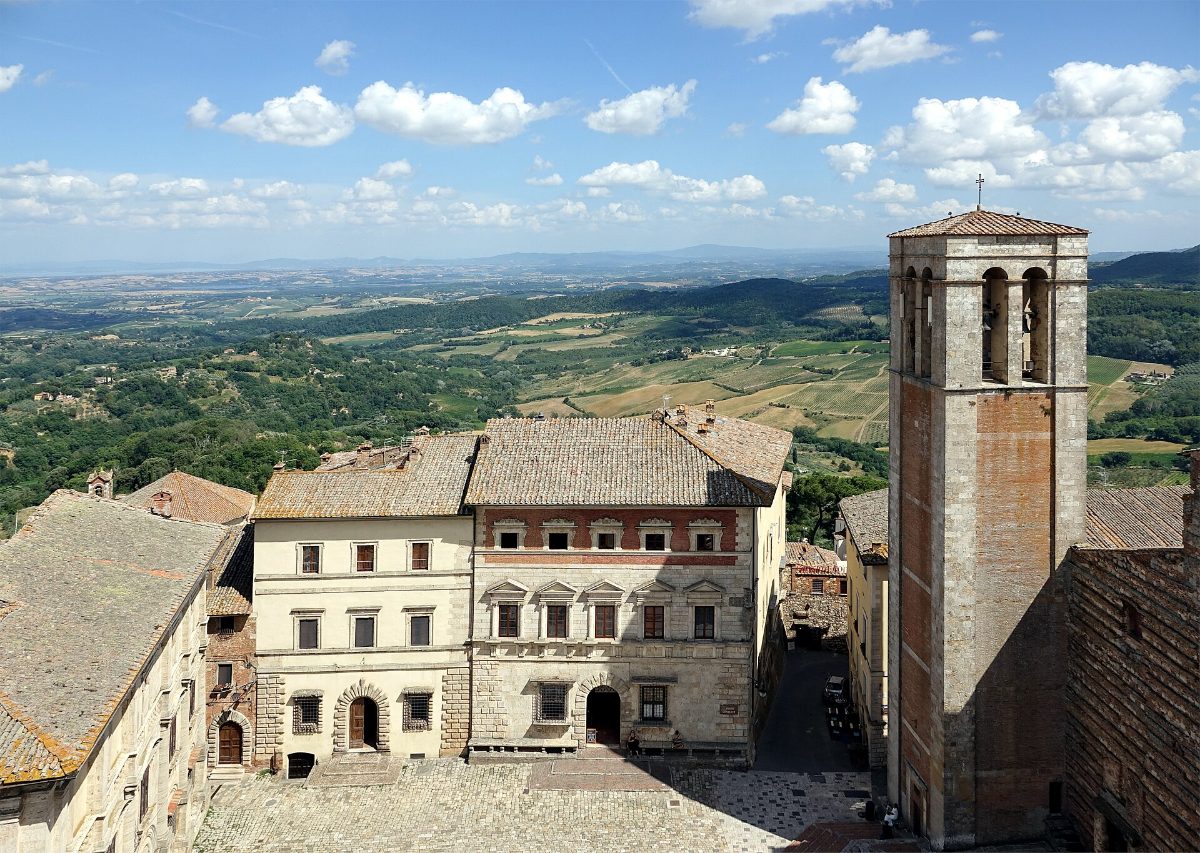
Italy's largest biodynamic wine estate, run by Belgian-born Virginie Saverys since 2009 at Le Capezzine, between Montepulciano and Cortona. Vino Nobile is Sangiovese too — locals call it Prugnolo Gentile — sitting between Chianti Classico's finesse and Brunello's power. Ask about the Vin Santo: aged ten years in tiny barrels, it is one of Italy's legendary dessert wines.
Details →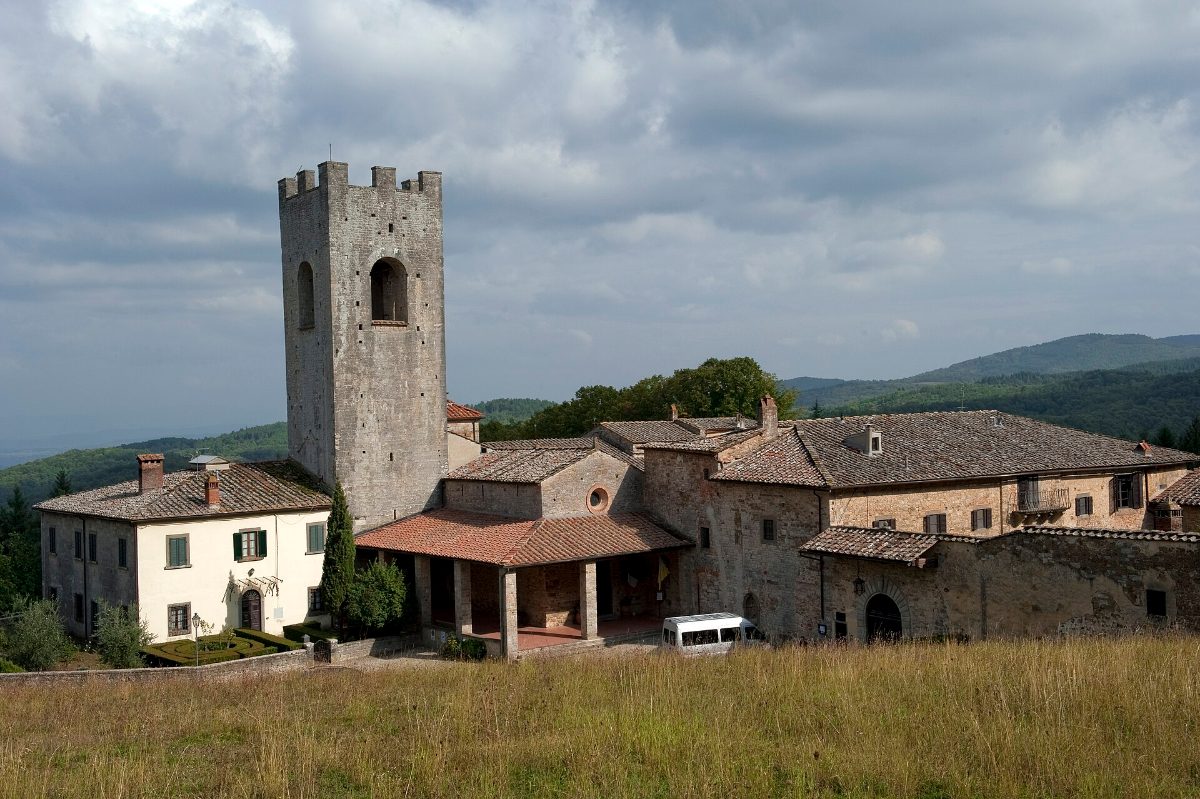
An 11th-century abbey above Gaiole where monks were already making wine in the Middle Ages — the name means 'abbey of the good harvest'. Today the Stucchi Prinetti family farms organically and ages in large casks rather than small barrels, so the Chianti tastes of cherry and herbs, not oak. Tours of the cloister and cellars, a restaurant, rooms, and the famous cooking school founded by Lorenza de' Medici.
Details →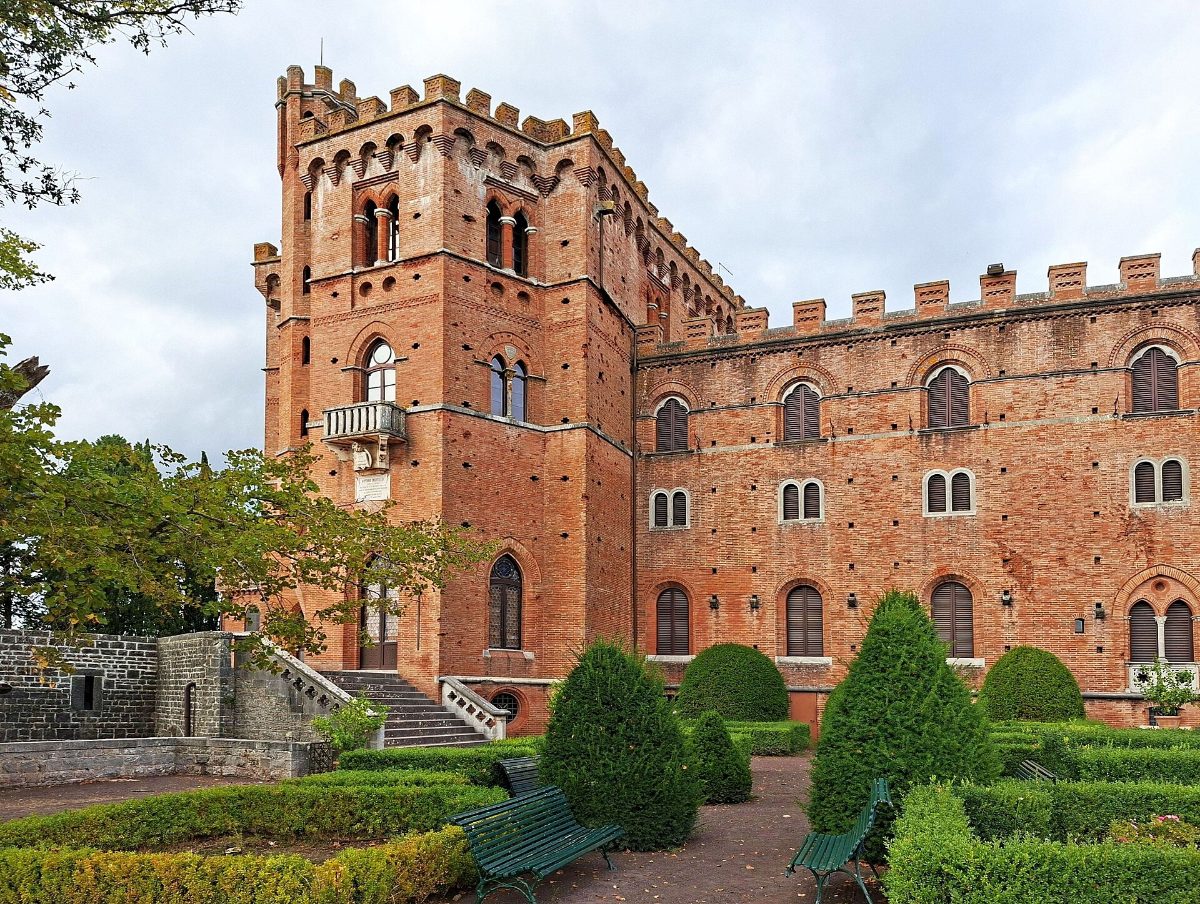
The oldest winery in Italy, documented since 1141, and the birthplace of Chianti as we know it: here Baron Bettino Ricasoli — twice Prime Minister of Italy — worked out the Sangiovese-based Chianti formula between 1834 and 1837, and explained it in a letter of 1872. The castle grounds are open daily from March to December without booking; cellar tours and tastings in the new Limonaia need a reservation.
Details →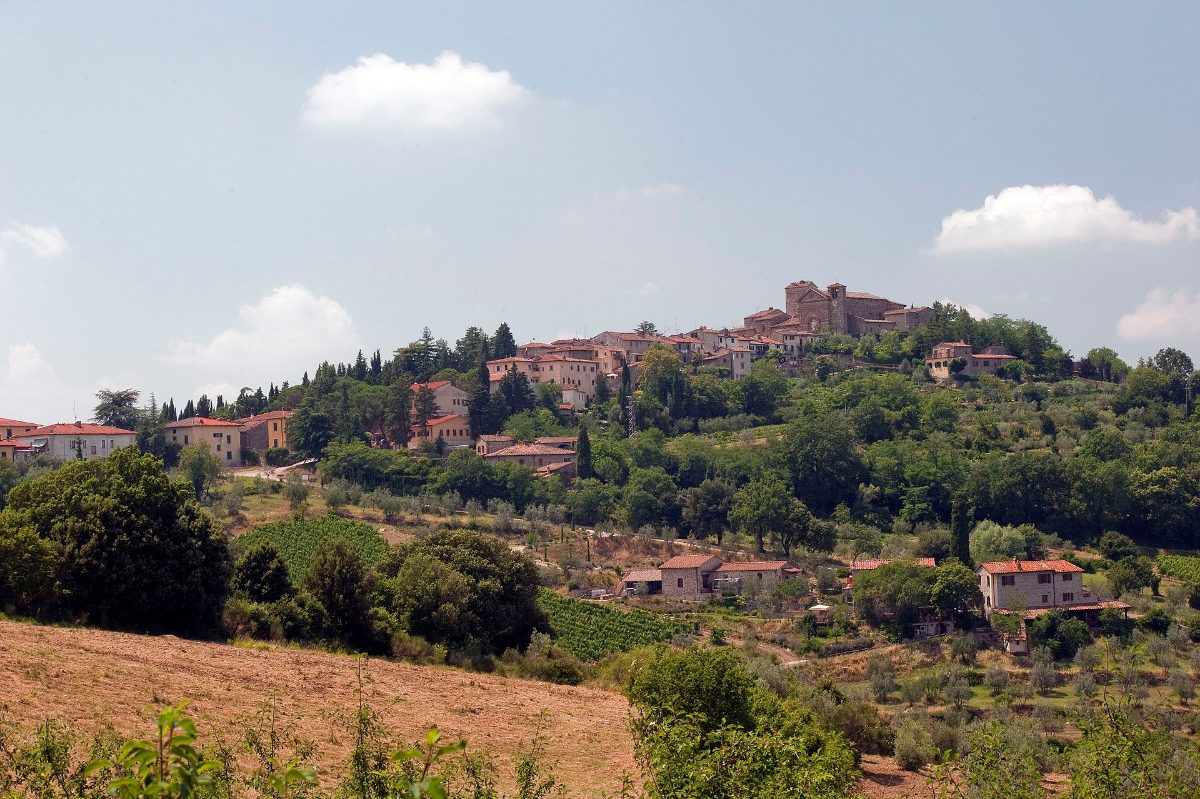
The Manetti family's organic estate in the 'Conca d'Oro', the golden amphitheatre of vineyards south of Panzano. Flaccianello is a cult 100% Sangiovese that helped prove the grape could stand alone at the very top. Small, working winery: tours are weekdays only and by appointment — worth planning around.
Details →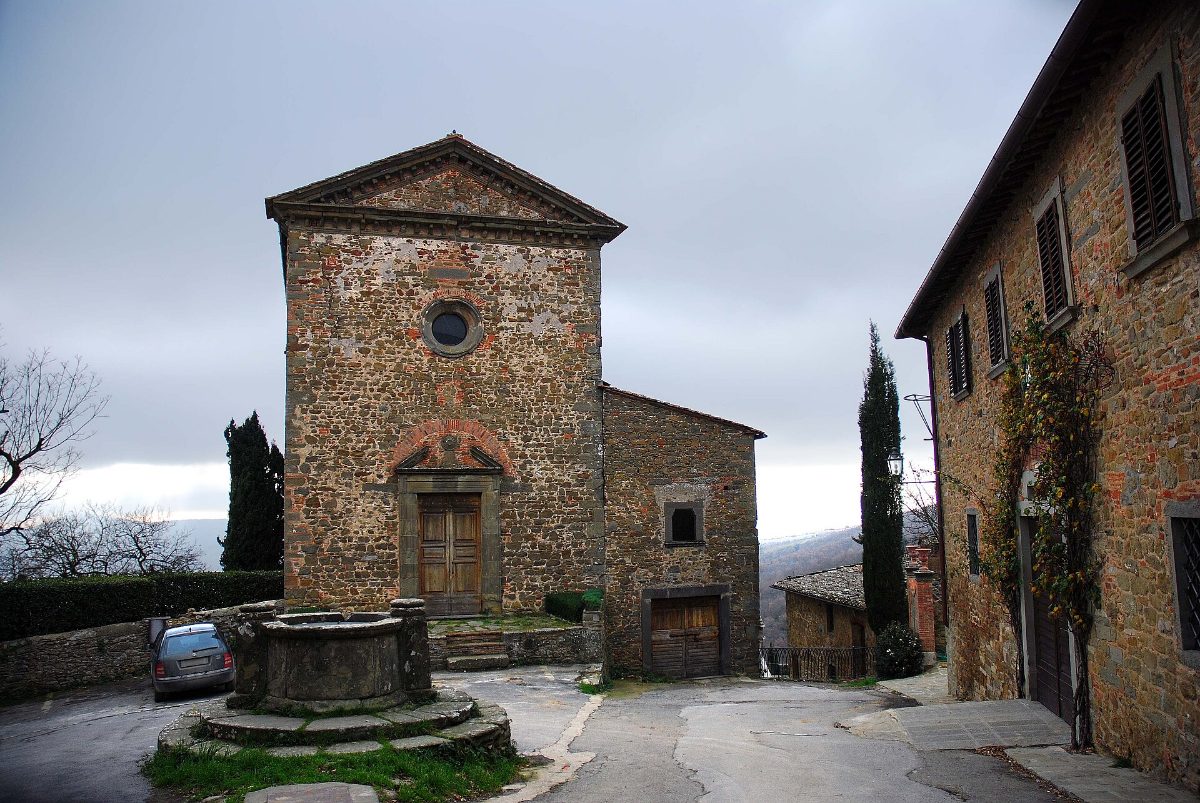
An entire fortified village from the 1100s turned into a winery: fermentation tanks sit inside a deconsecrated church and the buildings are linked by an underground 'wine-duct'. Among the highest vineyards in Chianti Classico, farmed organically since the 1990s, giving unusually elegant, perfumed wines. Rooms, an osteria and a bakery in the village.
Details →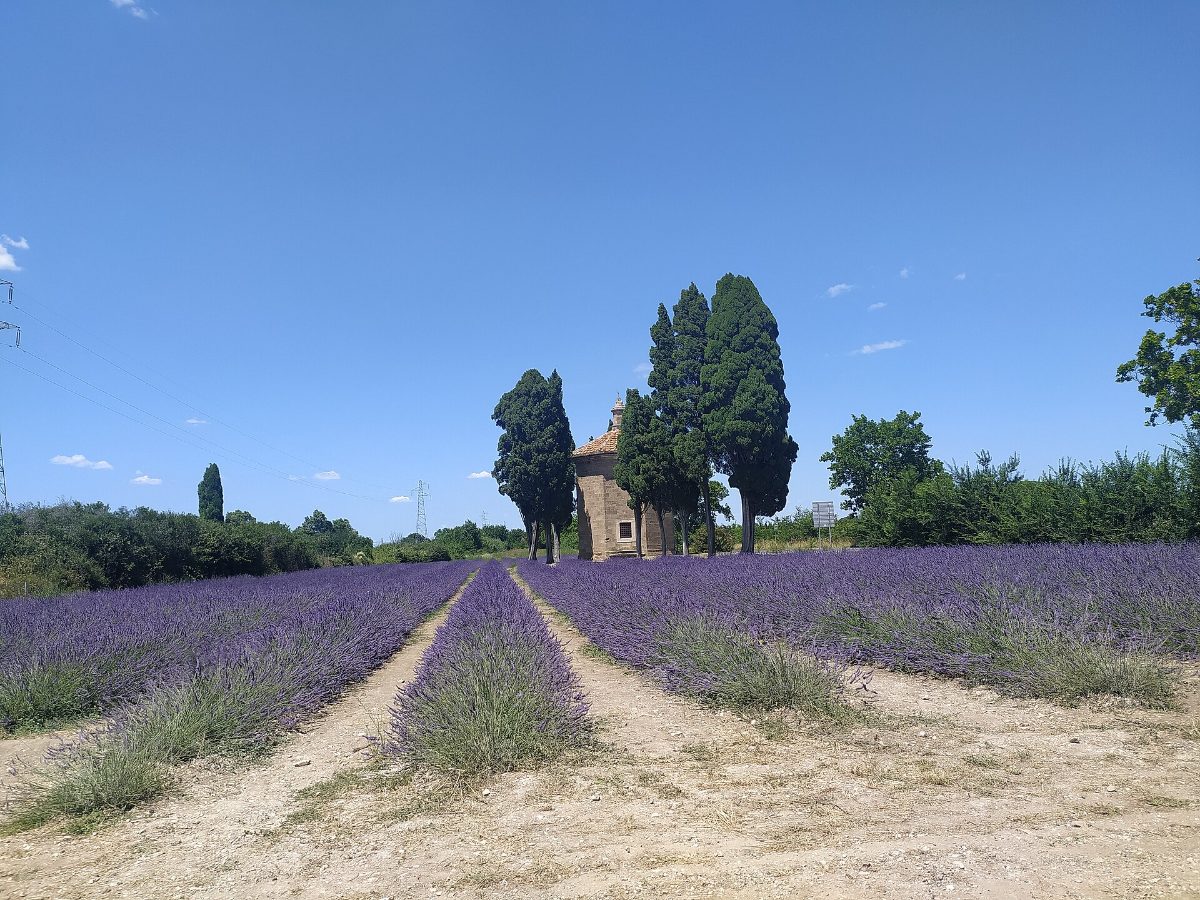
Antinori's estate in the Bolgheri 'amphitheatre', a few miles from the sea, where Cabernet and Merlot ripen under a Mediterranean sun — the Super Tuscan formula. The name means 'badger's ford'; the first vintage was 1994. Visits are booked ahead; the Wine Shop, a wine bar and shop in one, stands next to the Osteria del Tasso, right on the famous cypress-lined Via Bolgherese.
Details →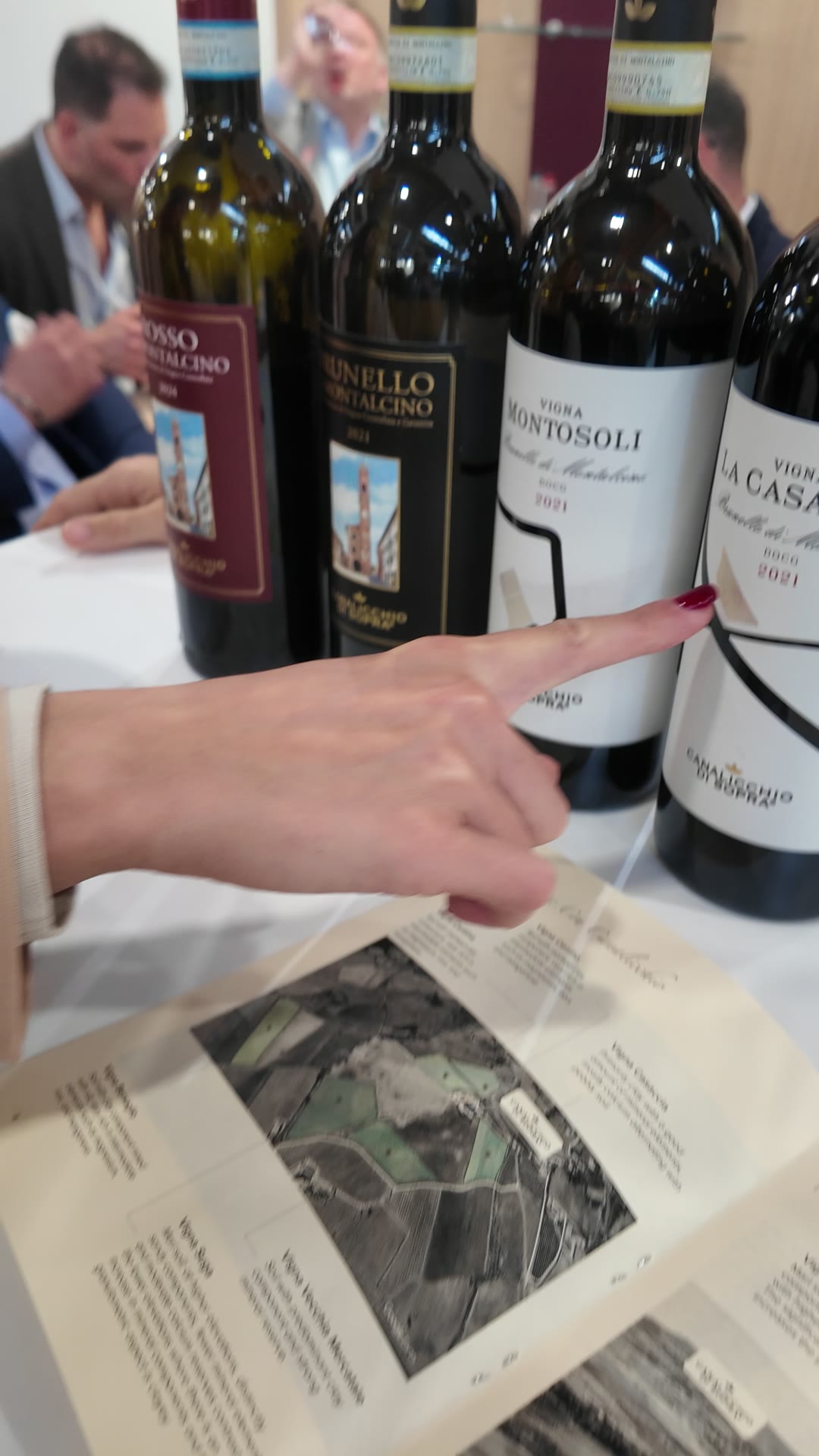
A Montalcino estate that has bottled Brunello since 1966, blending old and young Sangiovese vines from different soils. Tours of the vineyard and ageing cellar with tasting, by reservation.
Details →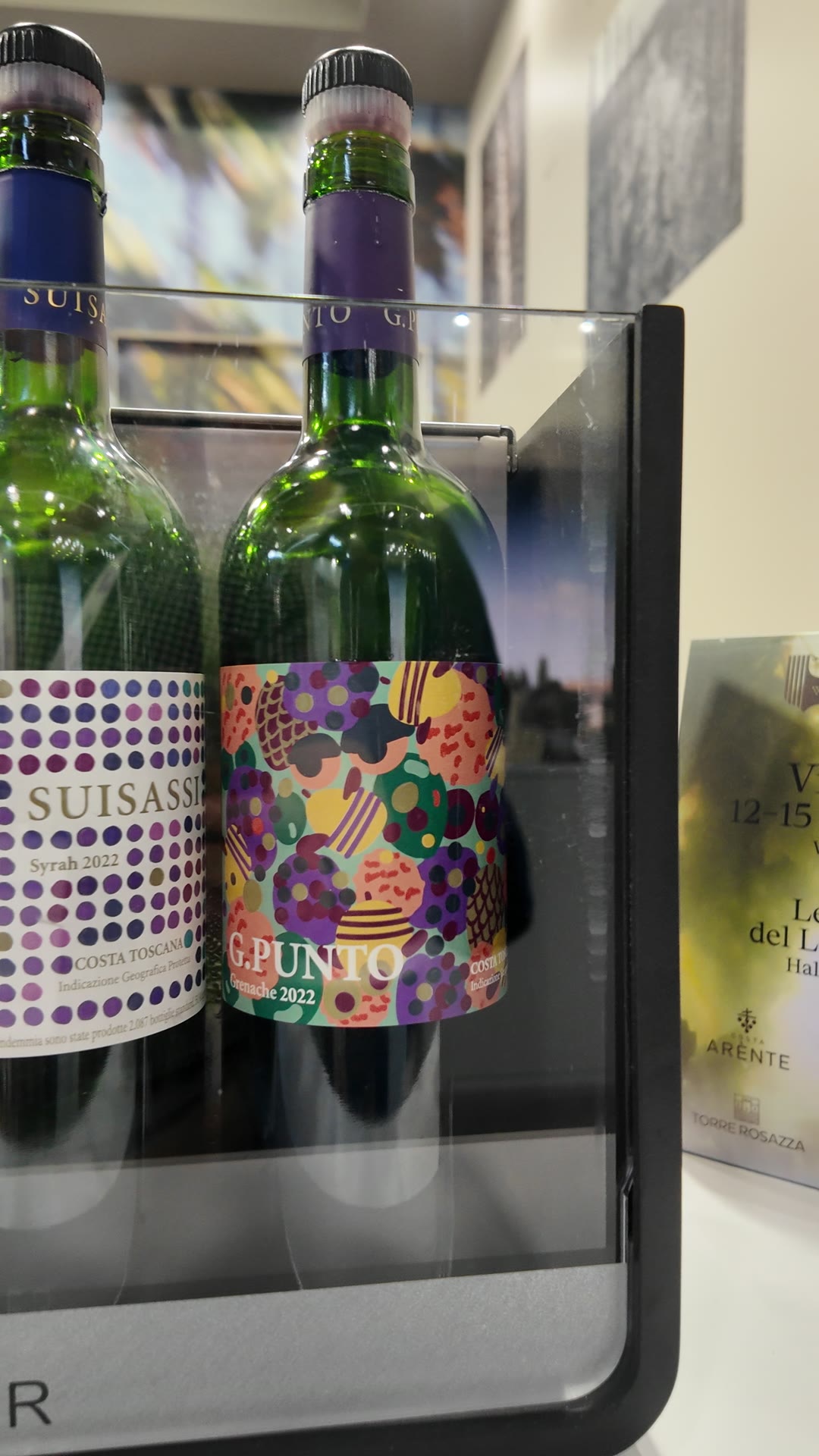
A biodynamic estate on the Tuscan coast, on hills between Riparbella and Castellina Marittima, in the province of Pisa. Visits and tastings by appointment.
Details →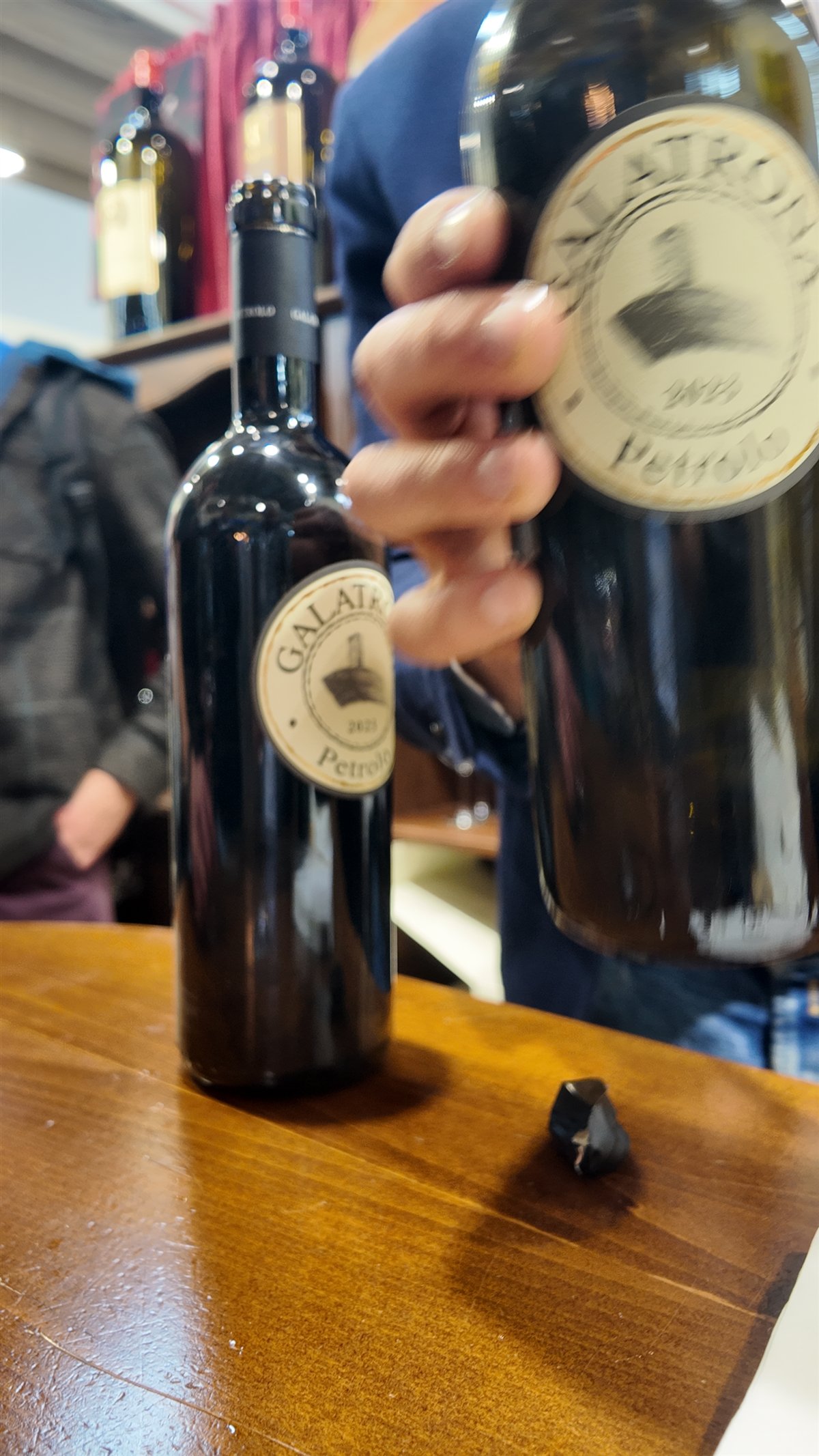
At Mercatale Valdarno: Torrione from the 1988 vintage, and Galatrona (Merlot), named for the medieval tower and the pieve of Galatrona. Houses to rent on the estate. Visits Monday to Friday, by appointment only; the cellar is being renovated.
Details →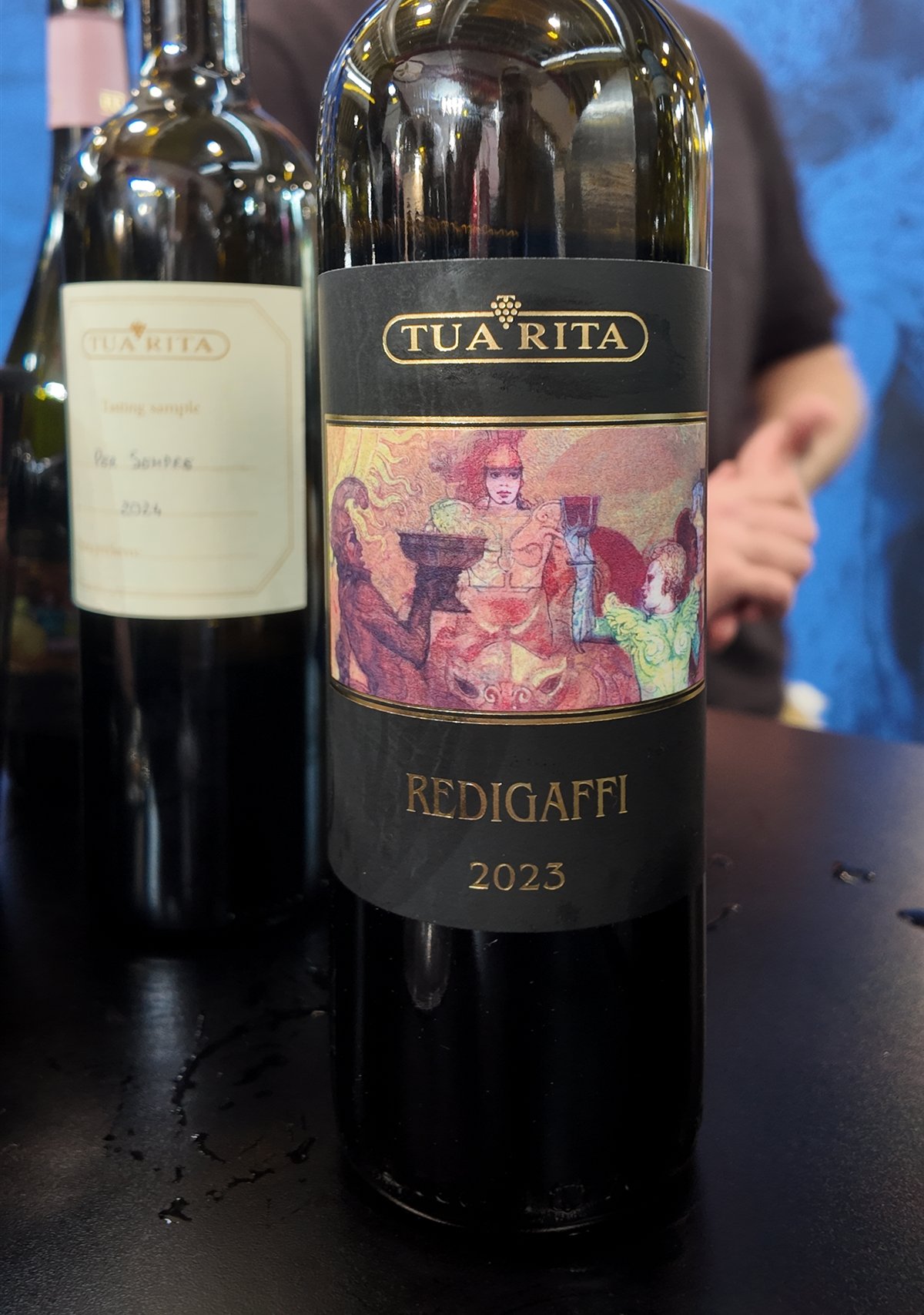
Rita and Virgilio bought the property at Notri, Suvereto, in 1984. The wines include Redigaffi (Merlot), Per Sempre (Syrah) and Giusto di Notri. Experiences are bookable online, from a five-wine tasting to a cooking class.
Details →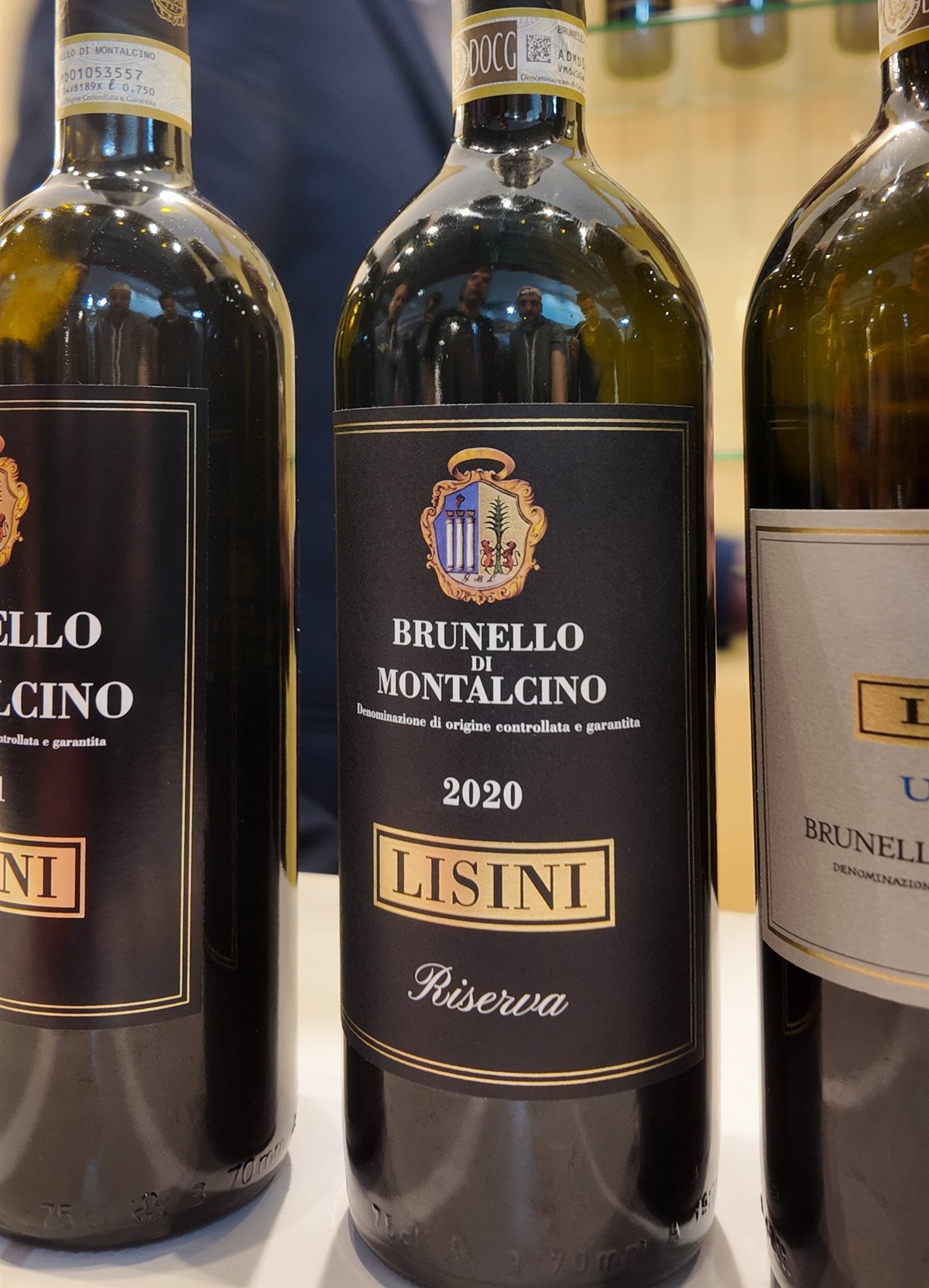
Roots go back to the mid-16th century at Sant'Angelo in Colle, with vines between 350 and 500 m (1,150 to 1,650 ft). Brunello, Brunello Riserva and Ugolaia. Visits and tastings in Italian and English, by contacting the estate.
Details →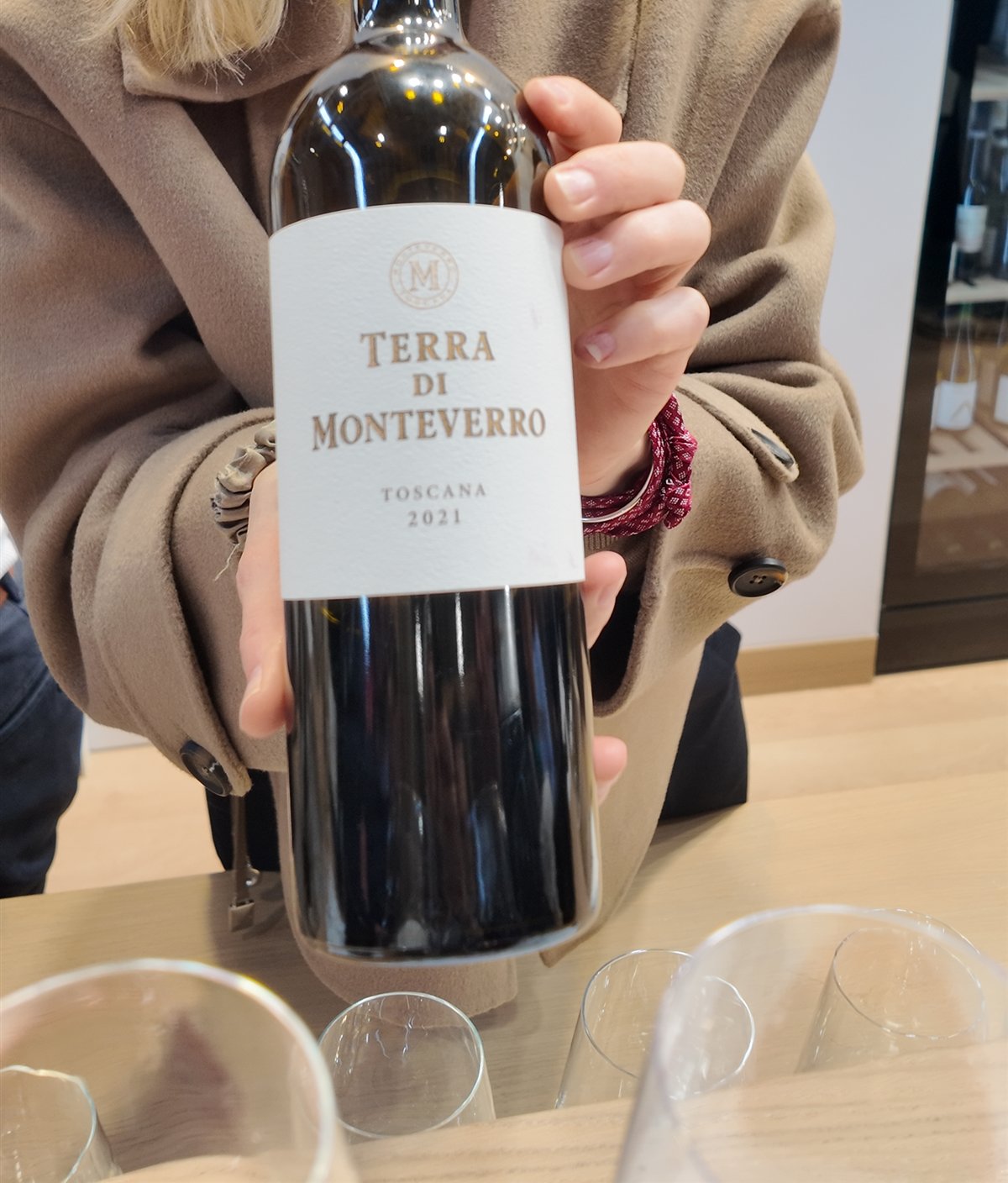
At the foot of Capalbio in Tuscany's far south, about 35 hectares of vines at 30 to 80 m (100 to 260 ft). Monteverro (Cabernet Franc, Cabernet Sauvignon, Merlot, Petit Verdot) and Tinata (Syrah, Grenache). Cellar visit and tasting by booking.
Details →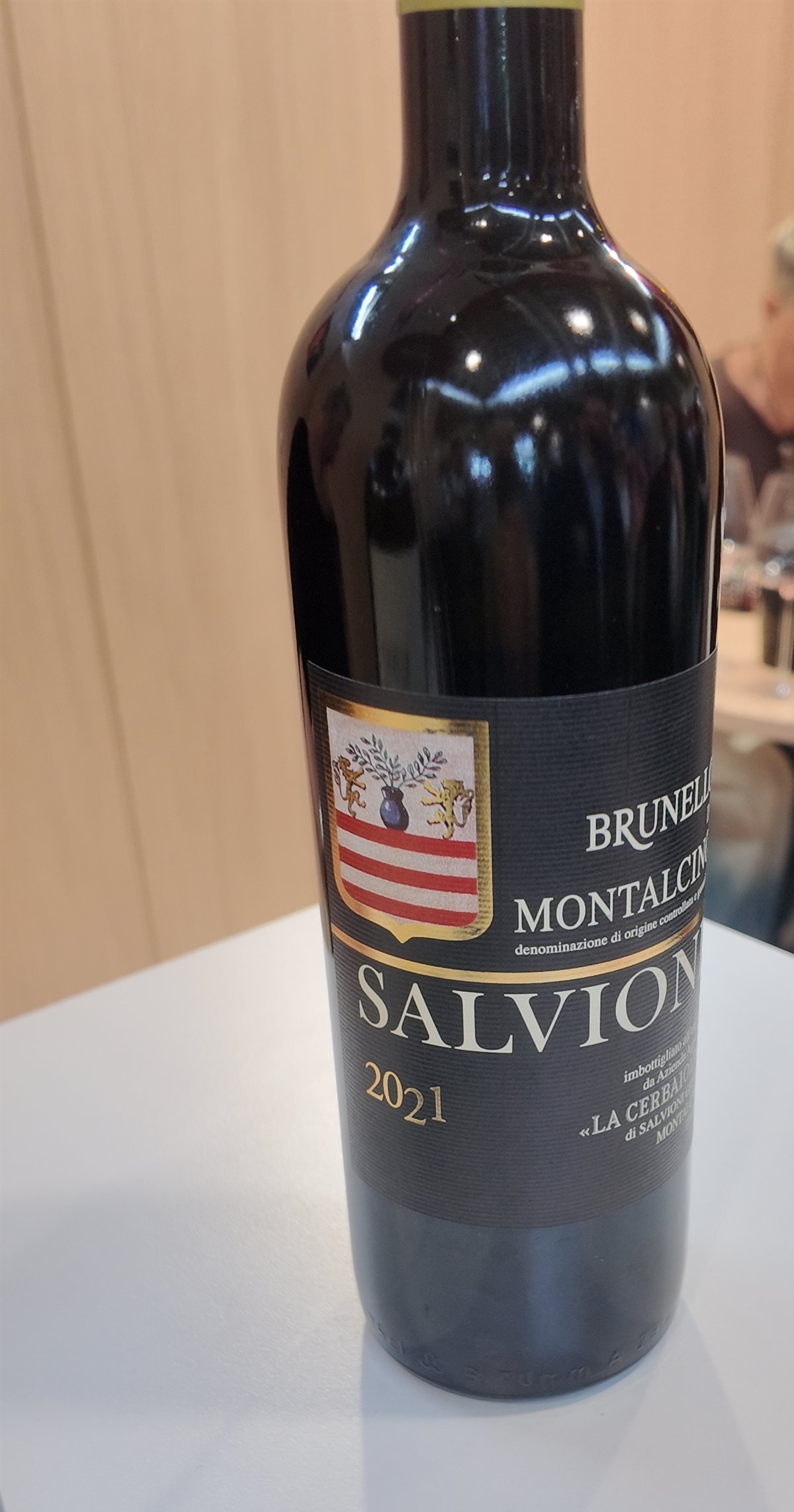
An estate at 420 m (1,380 ft), 2.5 miles from Montalcino, with 4 hectares of vines in three plots facing the Val d'Orcia. Only Brunello and Rosso di Montalcino. Visits by reservation, weekends on request, in Italian and English.
Details →