Wineries at Lake Como
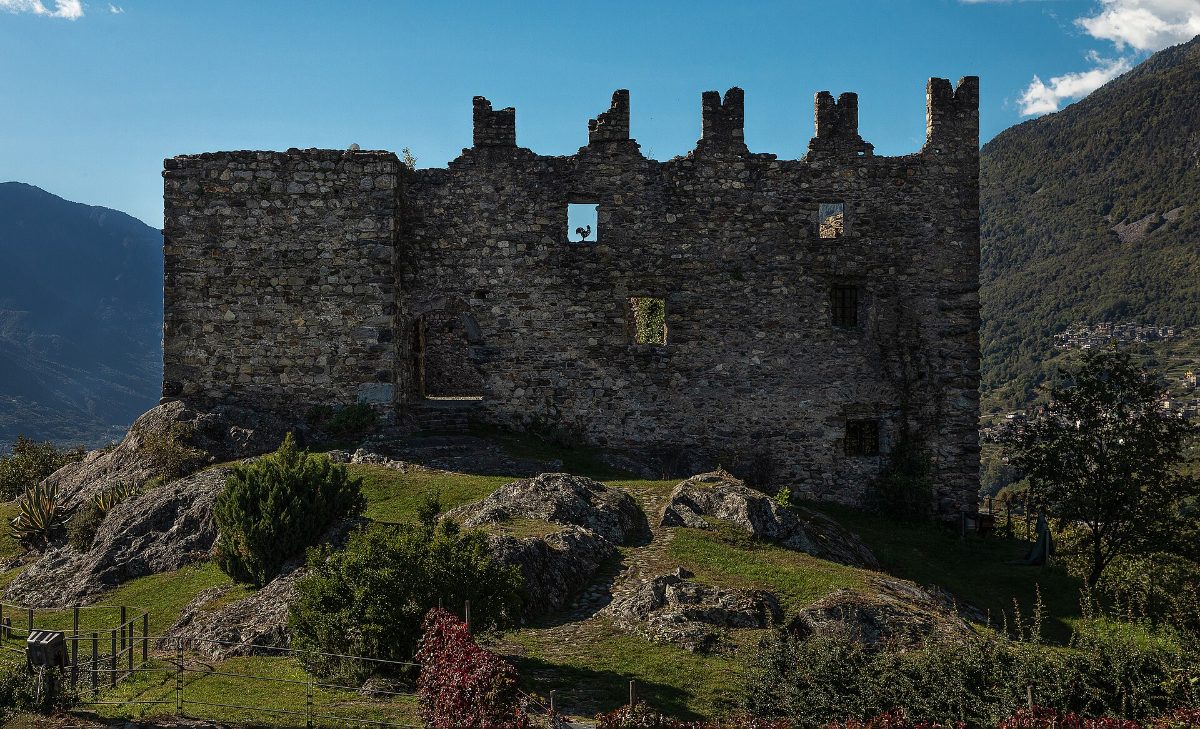
Founded in 1897, the historic reference point for Valtellina — cellars carved into a 15th-century palazzo in Chiuro, at the heart of the region's terraced vineyards.
Details →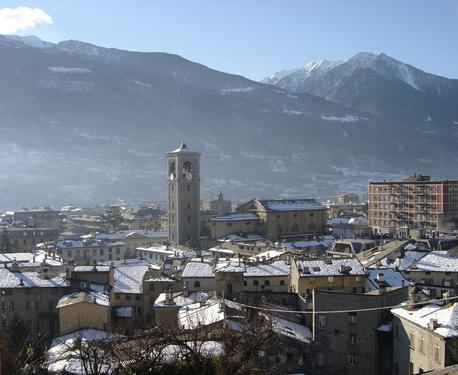
A cellar carved into the rock on Sondrio's edge, reviving a 19th-century estate since 1984. Traditional, patient winemaking — five generations of Nebbiolo from the Alps.
Details →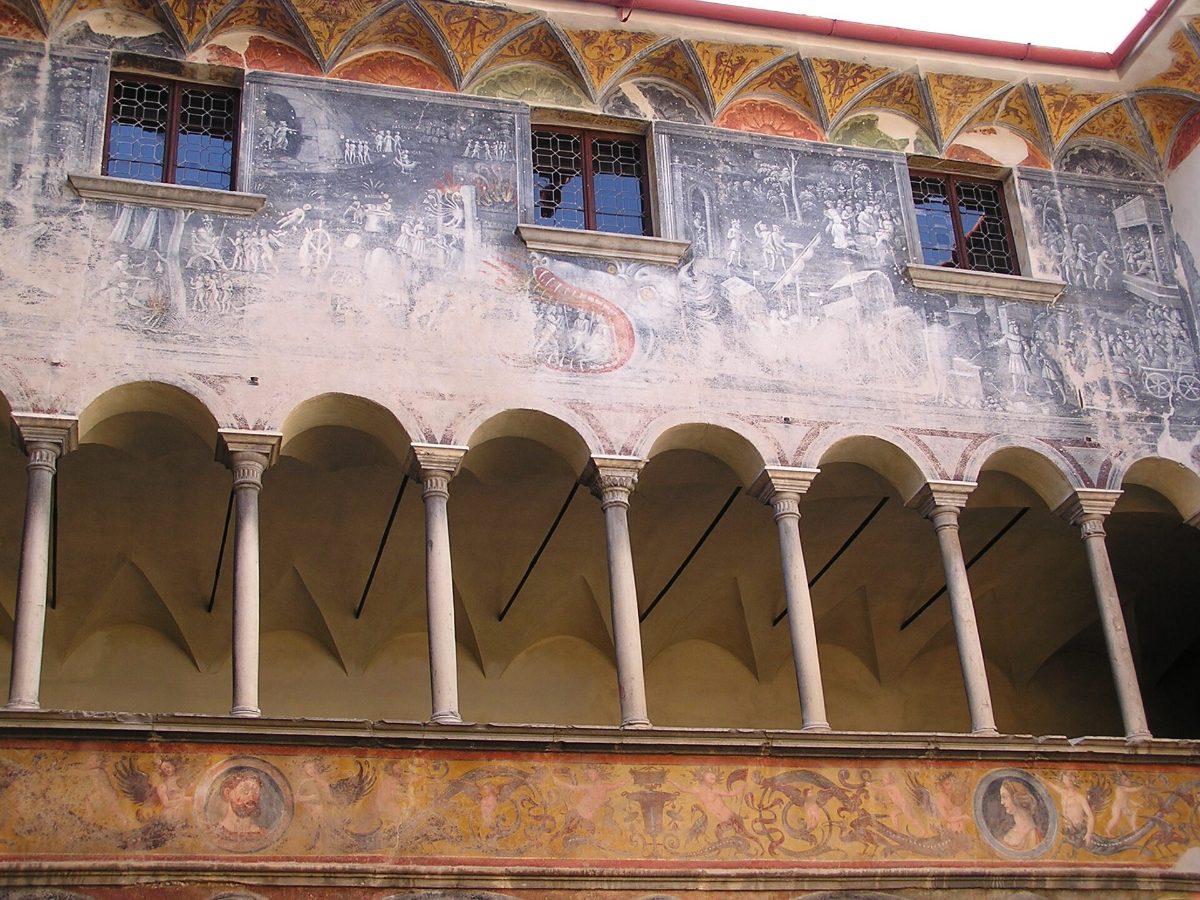
Founded in 1973 in San Giacomo di Teglio, now with the founder's children Marco and Elena at the helm. 'Il Glicine', from a single hectare in the Sassella subzone, is the estate's benchmark bottling.
Details →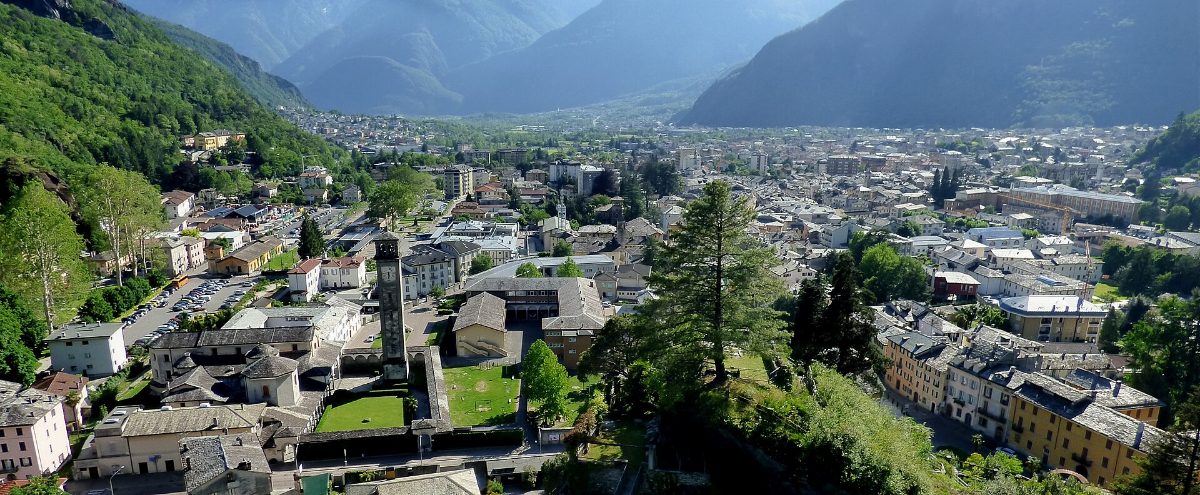
In Mese, near Chiavenna at Valtellina's northern edge, winemaking since the 1940s — today run independently by grandson Mamete Prevostini, with vineyard holdings inside the walls of the historic Vertemate Franchi Palace in Piuro.
Details →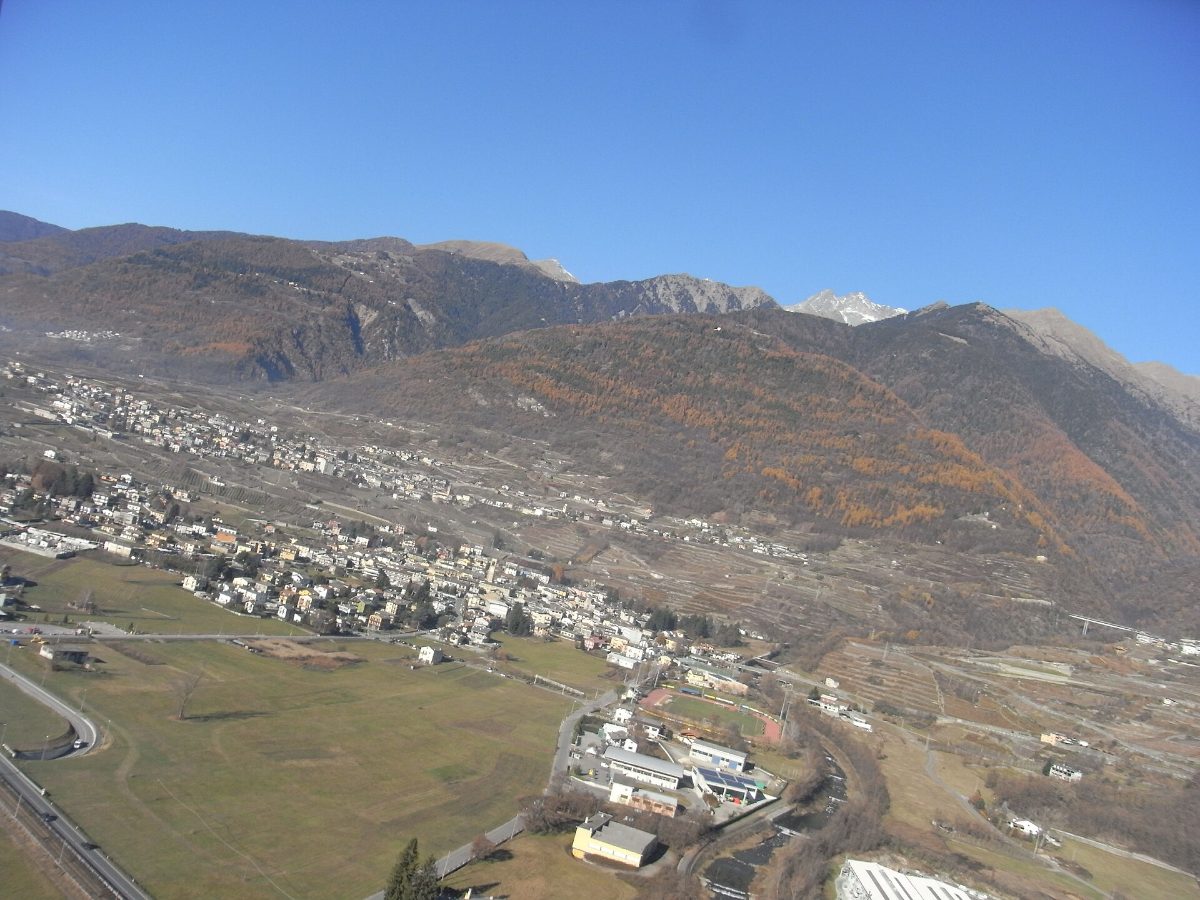
Three generations in Chiuro since the 1920s, when the first Aldo Rainoldi was a local wine merchant; his grandson, also Aldo, turned the firm into a producer of some of Valtellina's most awarded reds. 'Inferno' is a real subzone — a pocket of rock terraces where summer heat builds up like an oven. Tastings in the cellar by appointment, with a dedicated hospitality line.
Details →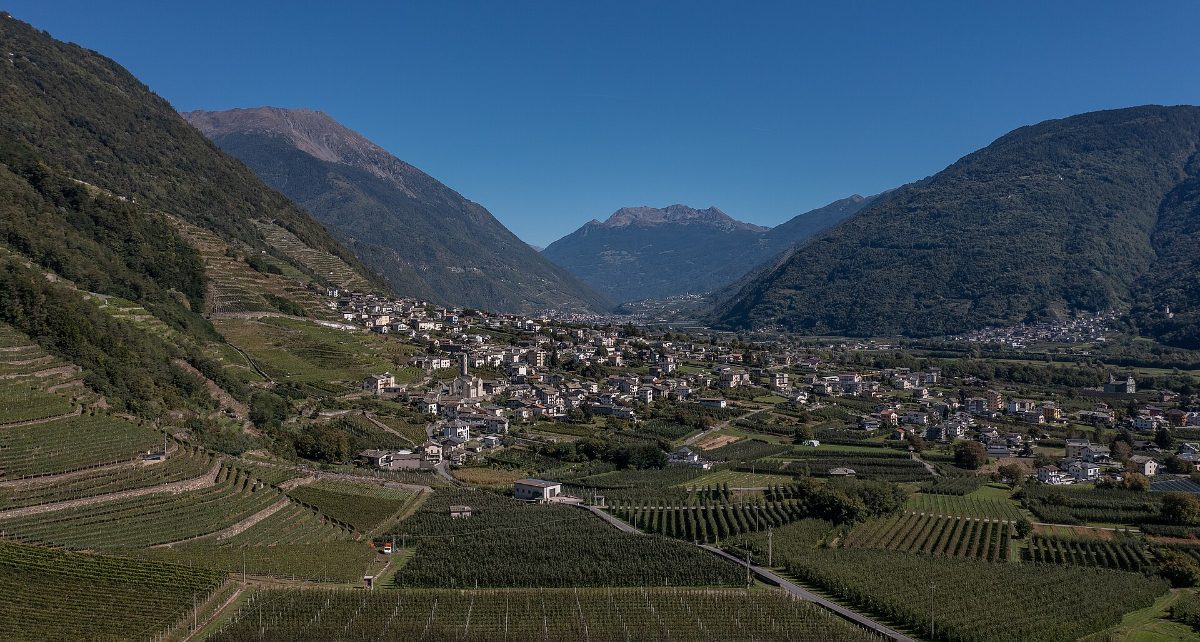
A Swiss-Italian family from just over the border, making Valtellina wine since 1897. Tenuta La Gatta is a former 16th-century Dominican convent in Bianzone, ringed by terraced vines, where you can do a guided tour and tasting, a lunch of pizzoccheri, or a picnic in the vineyard. Sforzato — the region's dried-grape Nebbiolo — is always in the line-up.
Details →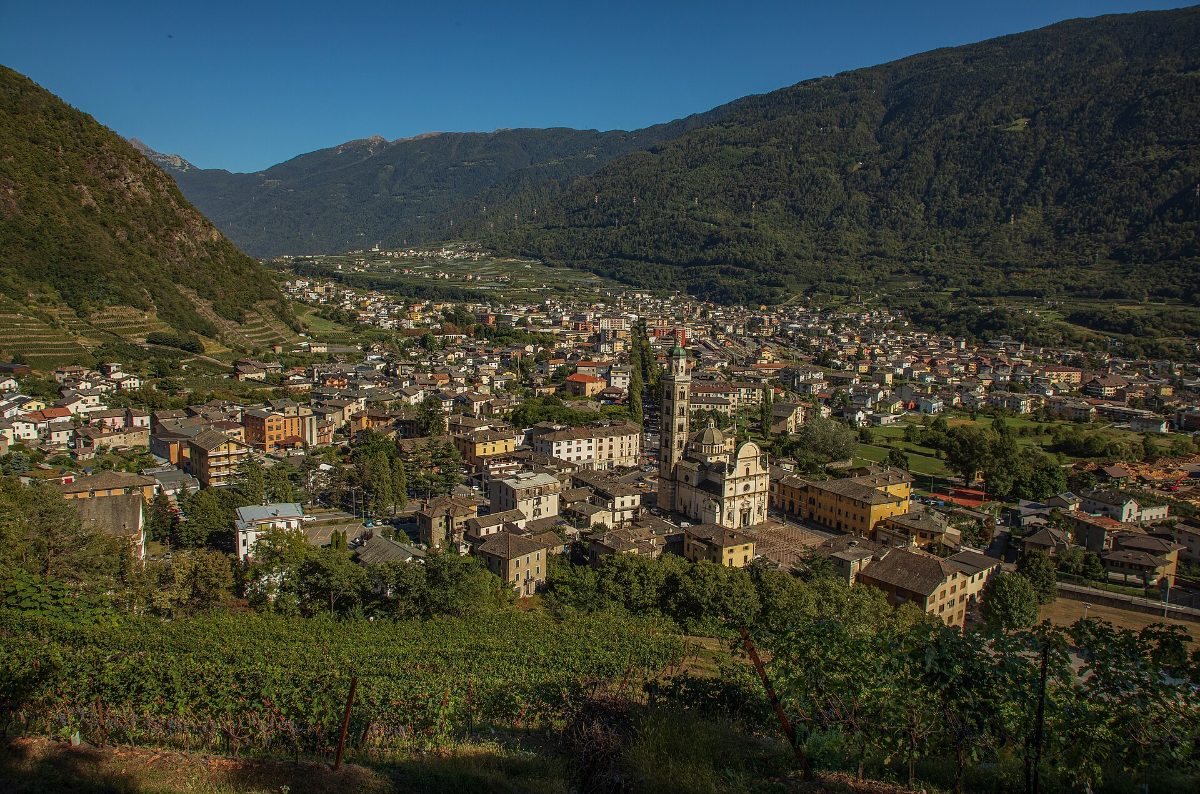
Founded in 1919 by Pietro Plozza in Brusio, on the Swiss side of the valley; the Tirano cellar sits at the Italian end of the Bernina Express, the UNESCO-listed red train from St. Moritz — a memorable way to arrive. Modern, design-led tastings of 'Nebbiolo of the Alps', with rye bread and Casera cheese. Tuesday to Saturday, three time slots.
Details →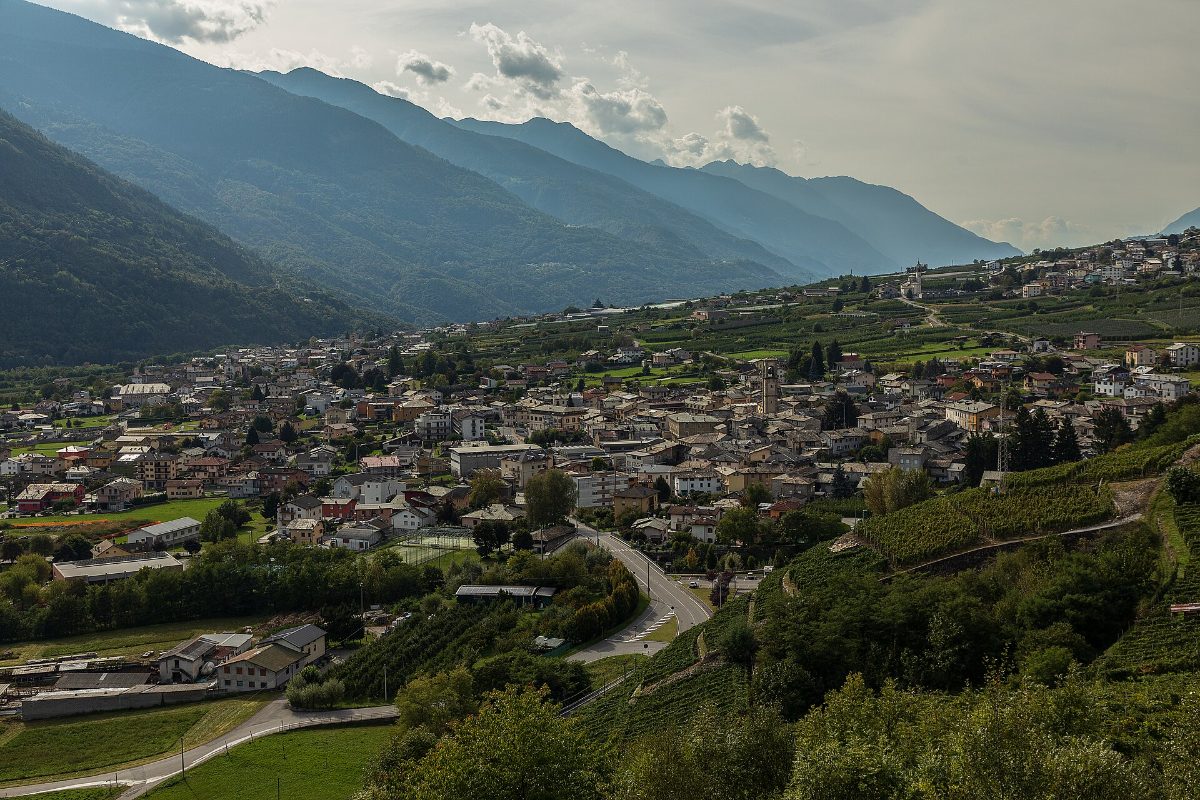
Two school friends, Davide Fasolini and Pierpaolo Di Franco, started in 2004 with no family land — just rented, half-abandoned terraces they brought back by hand ('dirupi' means cliffs). Now a cult name for pure, mountain-fresh Nebbiolo. The cellar is a 16th-century building by the Madonna di Campagna church in Ponte: tiny, so message ahead or you may not find anyone.
Details →