Wineries on the Amalfi Coast & nearby Campania
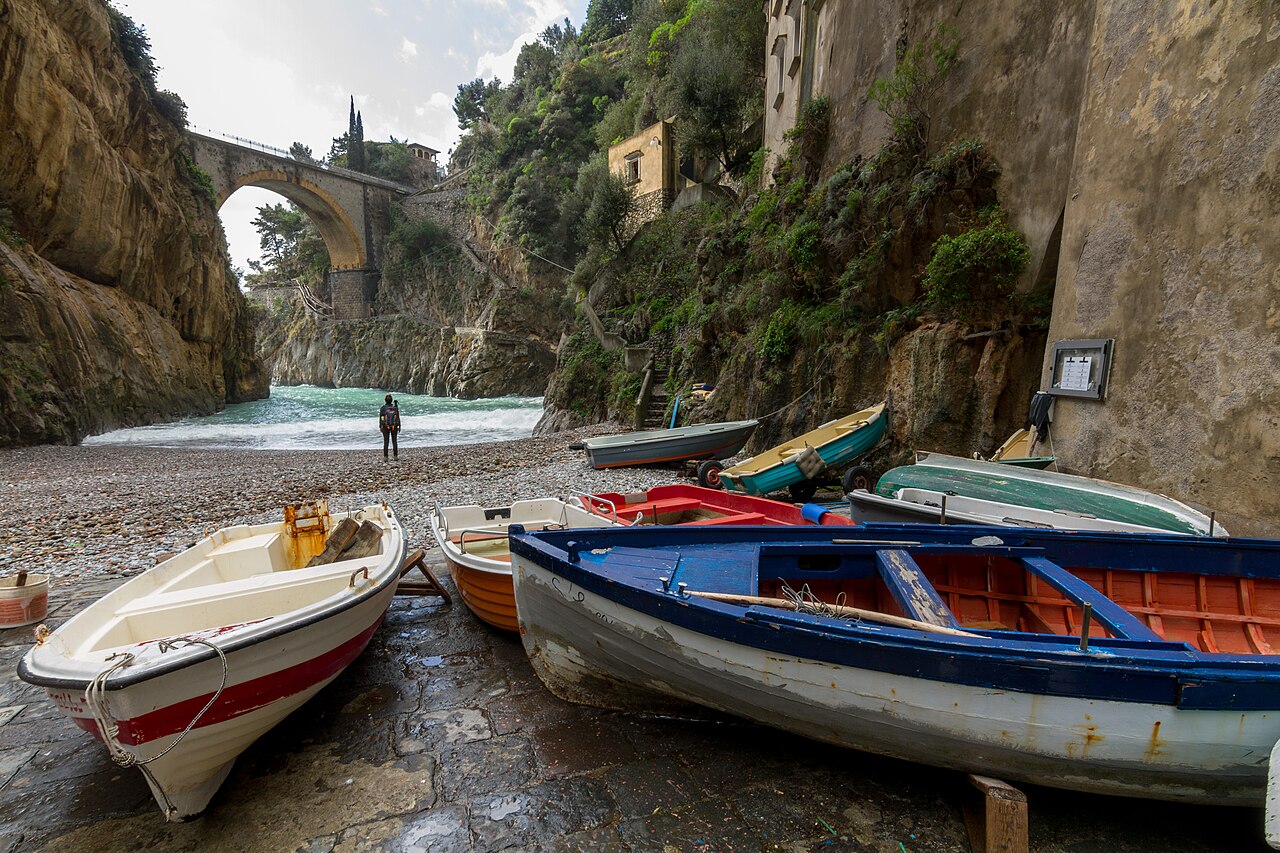
Founded in 1980 in Furore, where vines cling to sea-facing terraces cut into the rock. Fiorduva, their cult white, put the Amalfi Coast on the fine-wine map.
Details →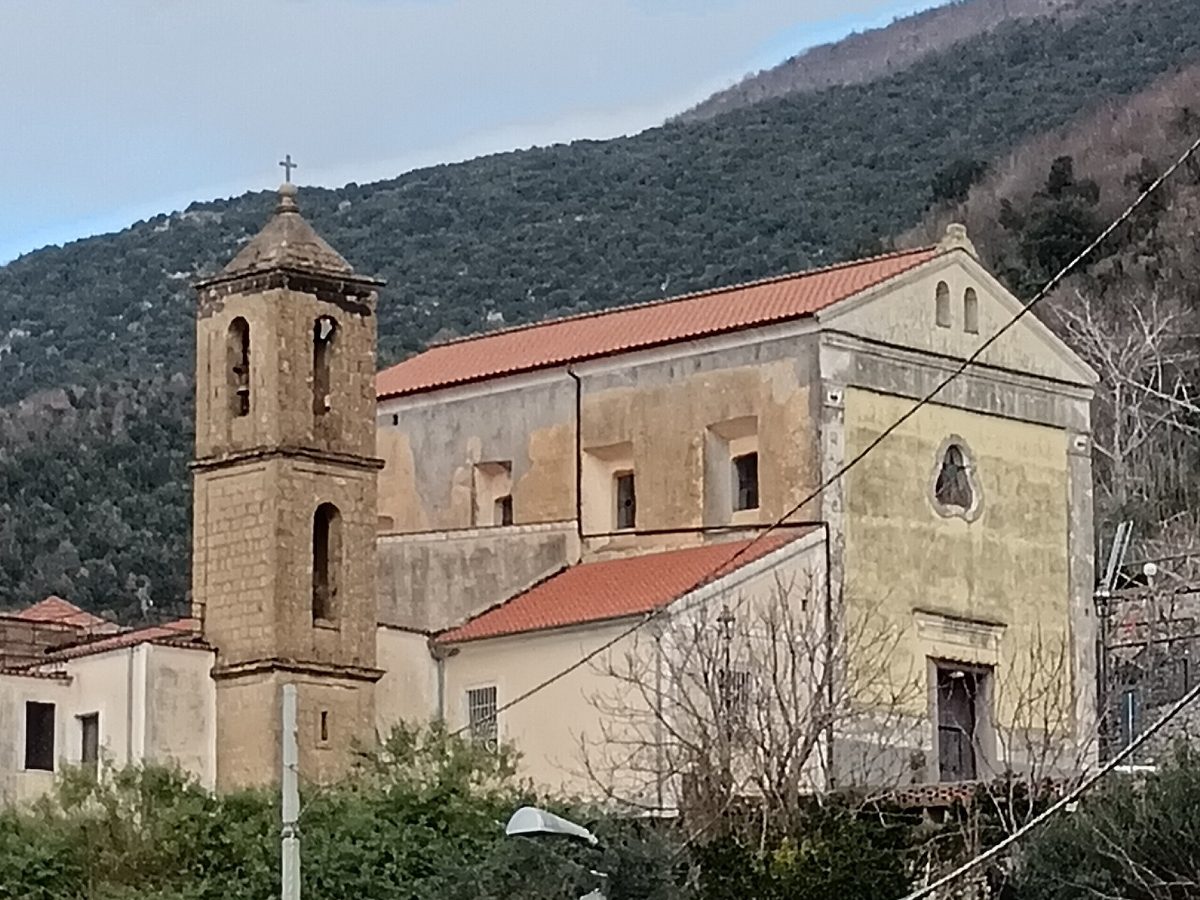
Founded in 2004 in Tramonti, farming pre-phylloxera Tintore vines up to 300 years old, on ungrafted rootstock — some trunks nearly as thick as a small tree.
Details →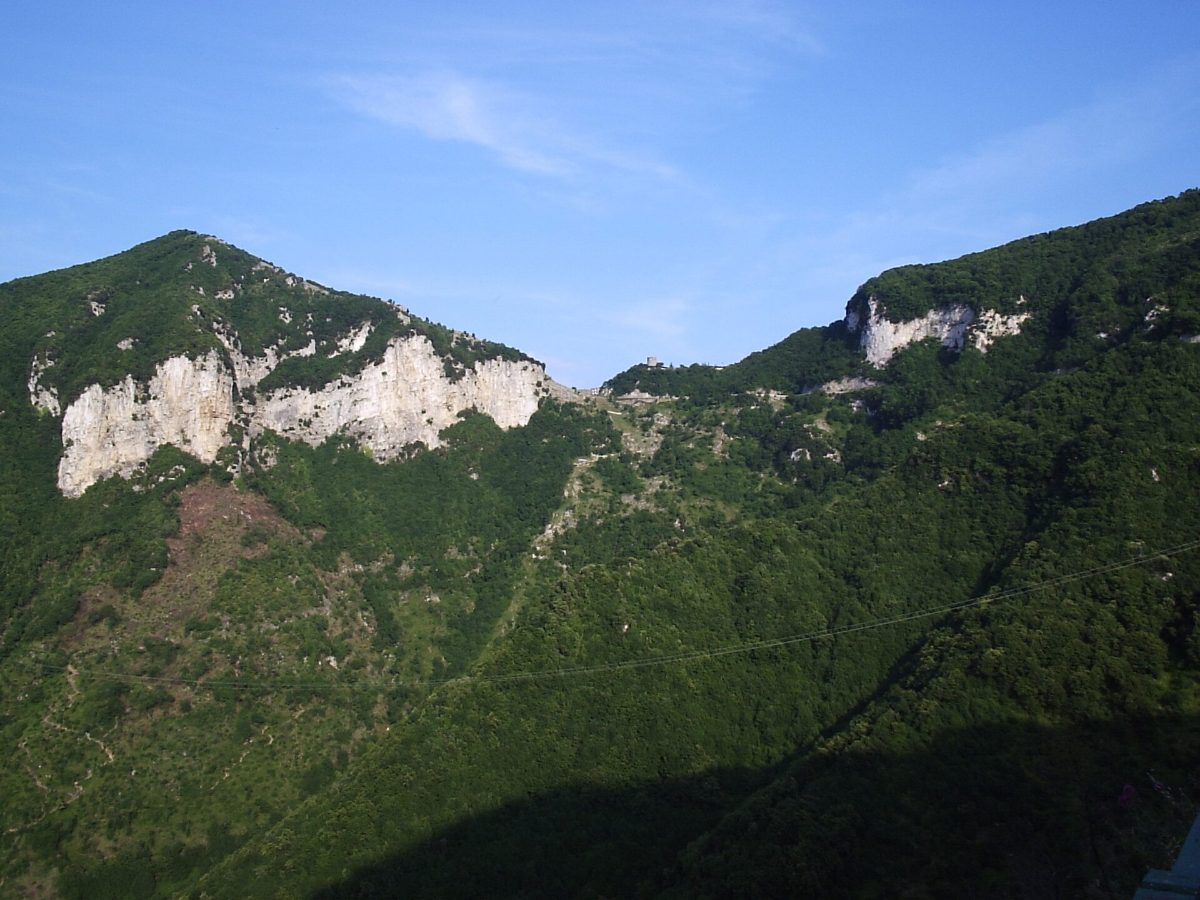
Founded in 1993 by Alfonso Arpino, a village pediatrician turned organic winegrower, farming rare native varieties like Pepella and Ginestra on the terraces above Tramonti — with a lemon orchard, a chestnut grove, and rooms for those who want to stay.
Details →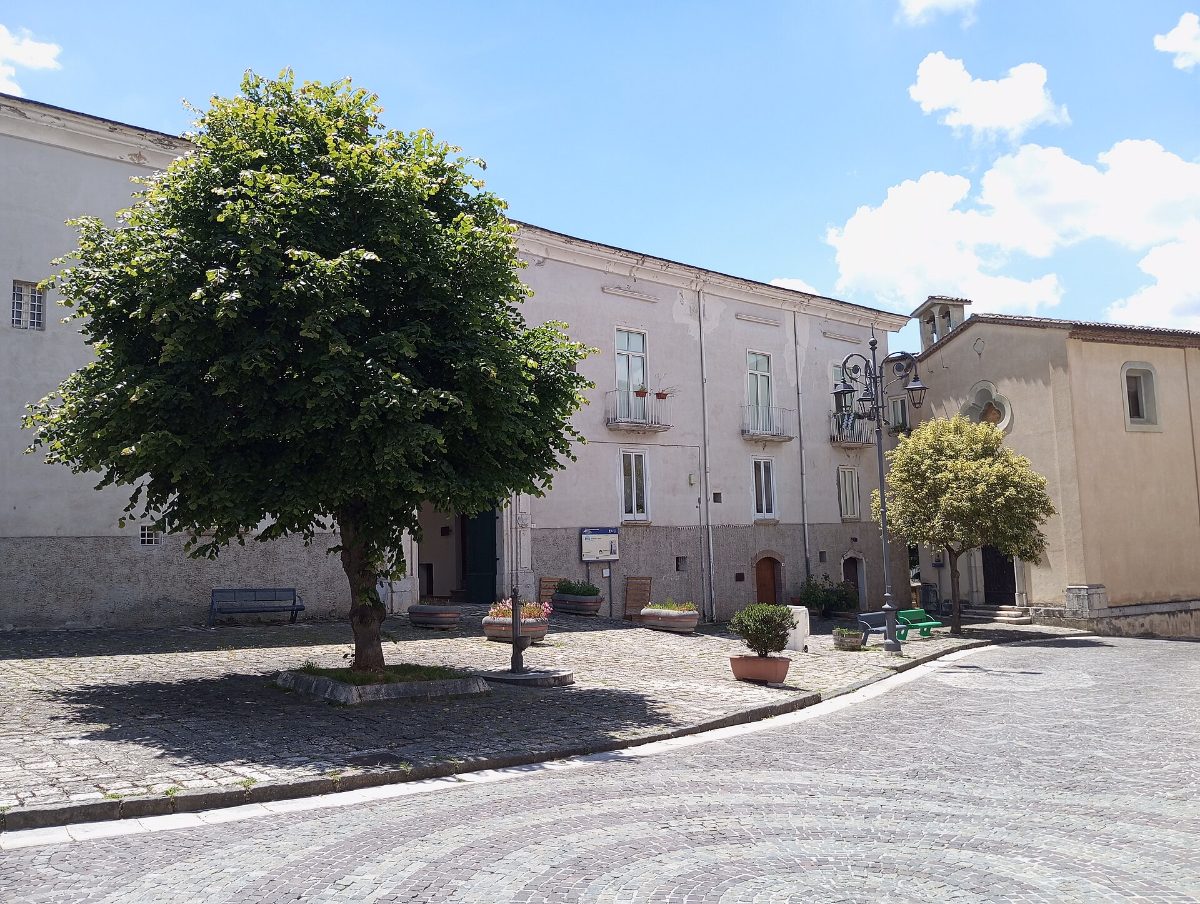
About 1 h 15 inland from the Amalfi Coast, in Irpinia — Campania's high, cool hill country and home of its three top appellations: Taurasi (Aglianico), Fiano di Avellino and Greco di Tufo. Founded in 1986 after the 1980 earthquake; the striking winery was designed by Japanese architect Hikaru Mori, with a restaurant and the Borgo San Gregorio hotel.
Details →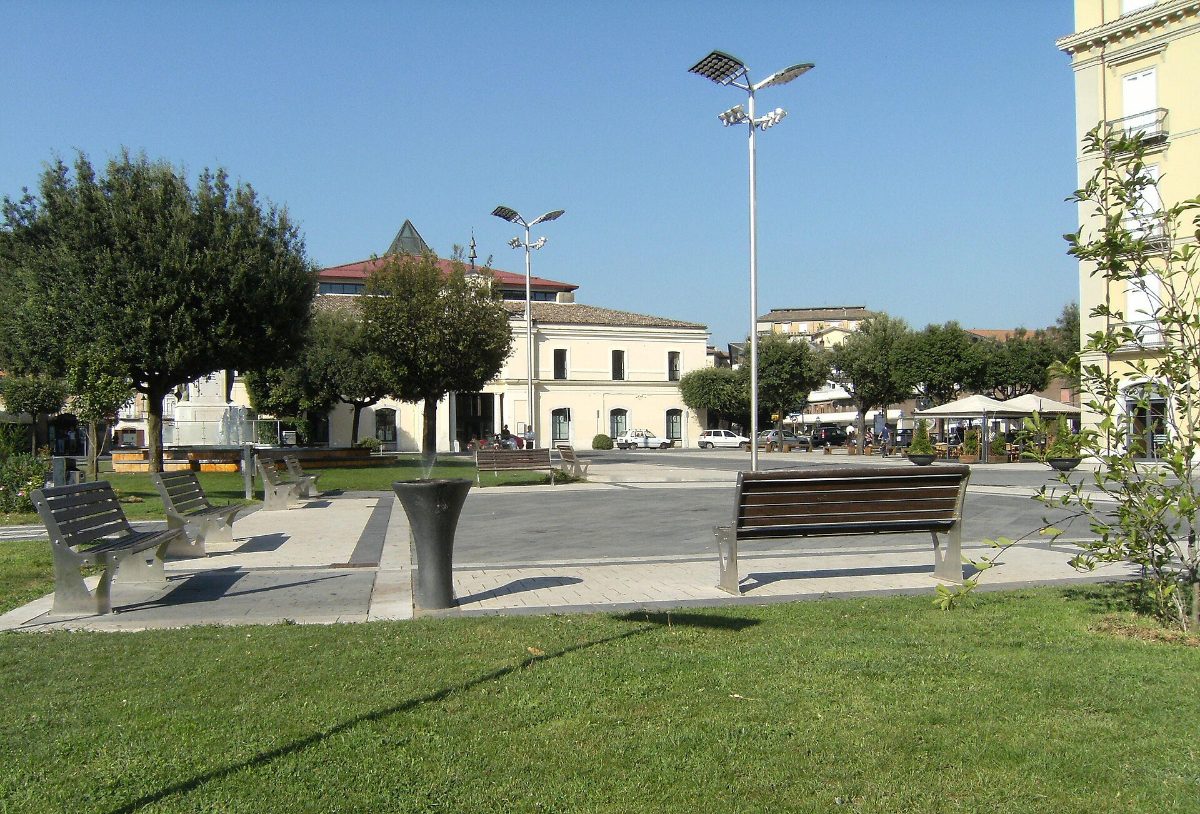
Ten generations of winemakers in Atripalda, Irpinia, since the 1700s — and the family credited with saving Fiano, Greco and Aglianico from extinction after World War II, when everyone else was ripping them out. They even replanted ancient vineyards inside the ruins of Pompeii. Frescoed historic cellars, weekday tours, about 1 h 15 from the coast.
Details →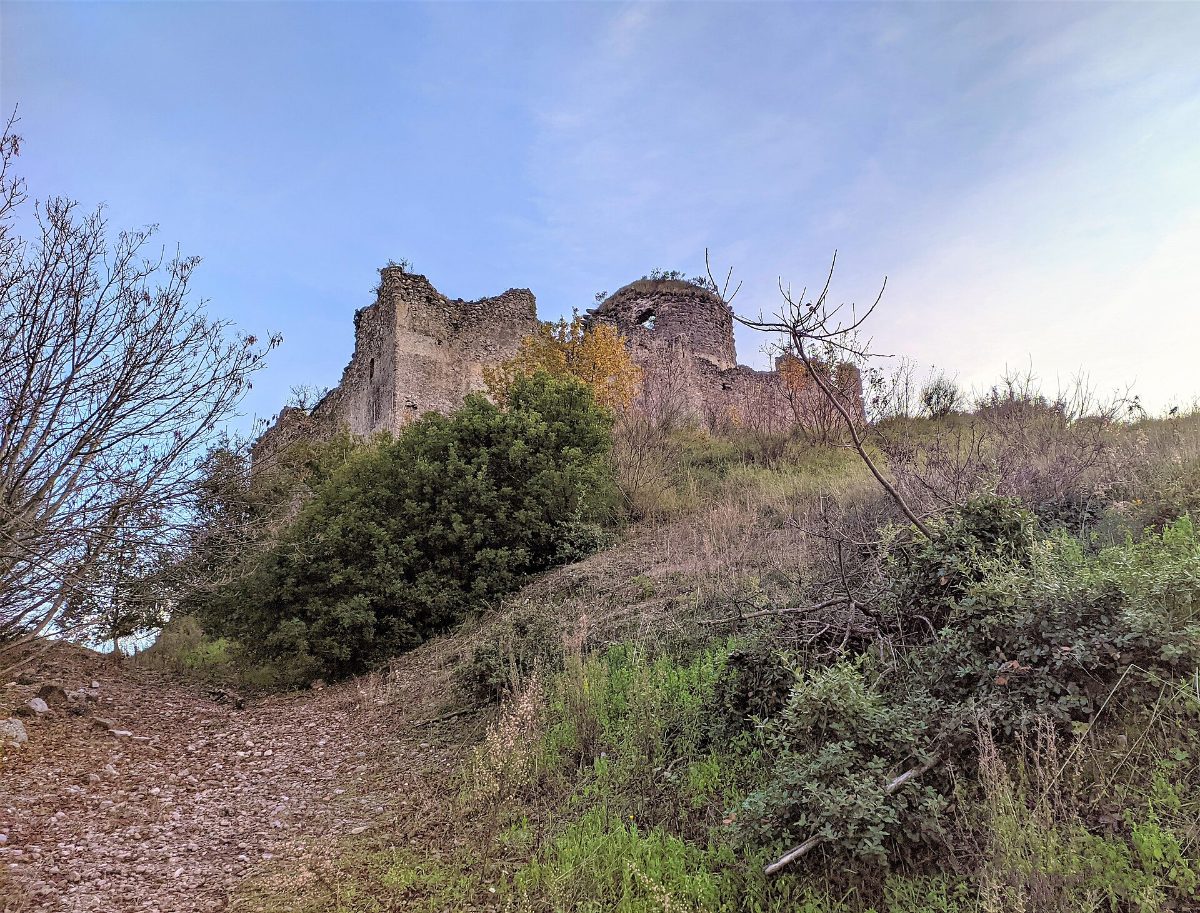
The closest of the inland estates to the Amalfi Coast — under an hour from Vietri, in the hills of San Cipriano Picentino beneath a medieval castle. Photographer Silvia Imparato and a group of friends made the first vintage in 1991 with winemaker Riccardo Cotarella: a blend of Cabernet, Merlot and Aglianico. Visits three mornings a week, tasting under the portico.
Details →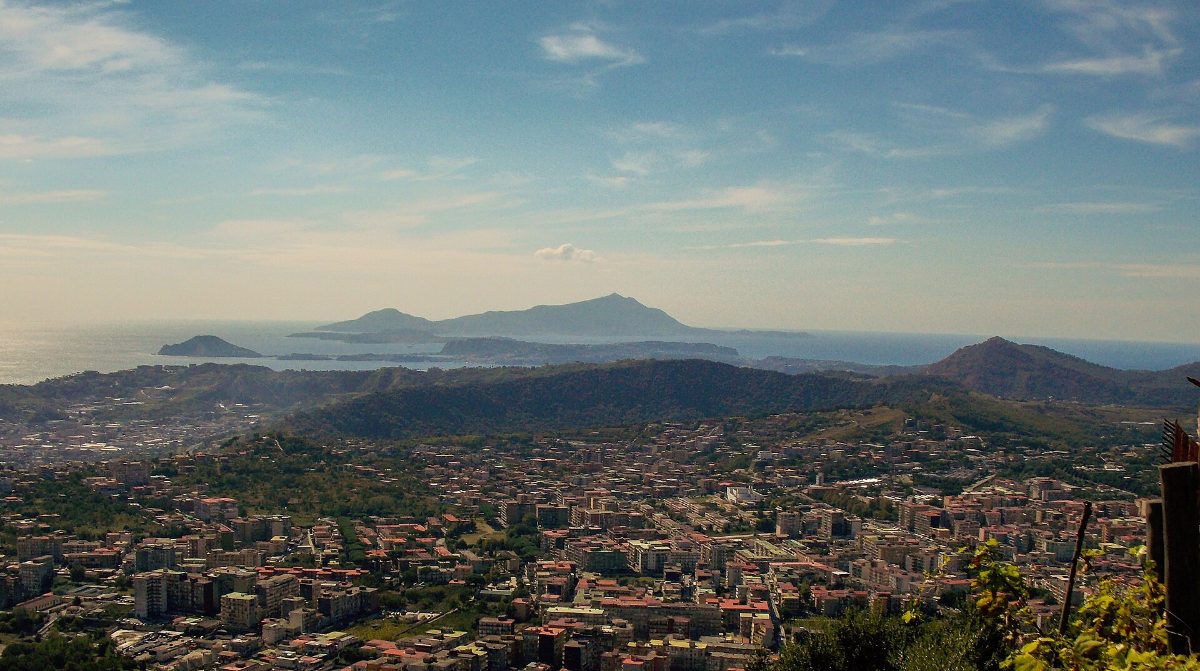
A working vineyard inside the city of Naples, on the outer slopes of the Astroni volcanic crater — a former Bourbon hunting reserve, now a WWF nature park. The Varchetta family has farmed here since 1892 on sandy volcanic soil that phylloxera never reached, so many vines still grow on their own roots. Easy add-on to a Naples or Pompeii day; tours Monday to Saturday from €20.
Details →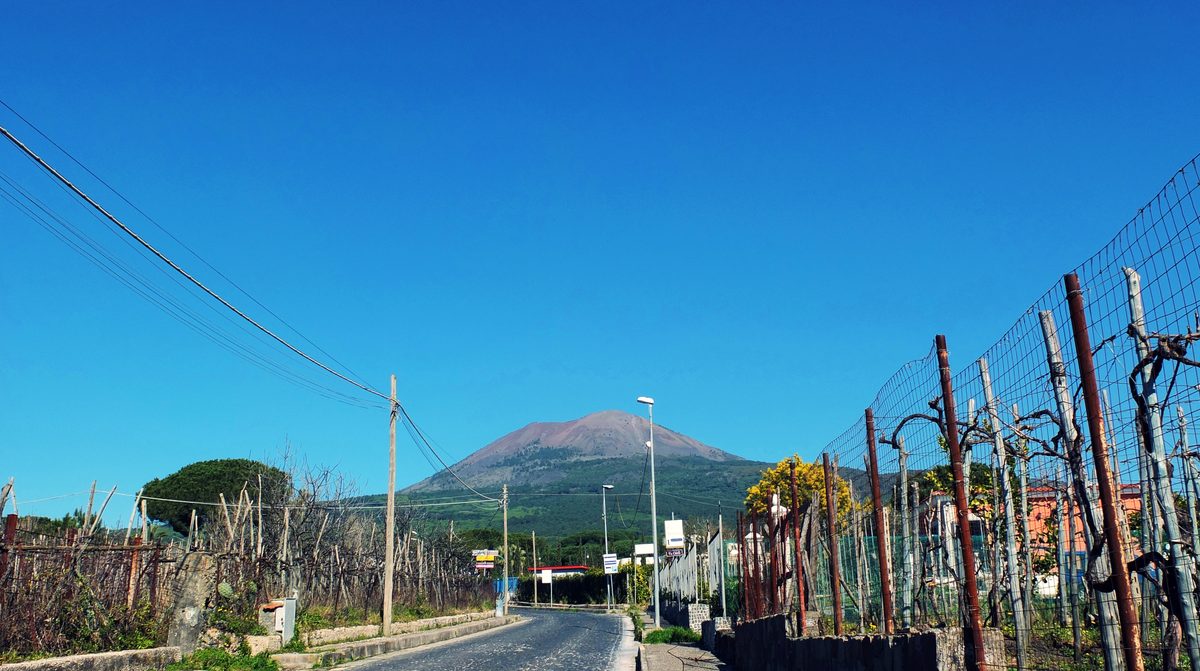
Thirty-five hectares on the south-west slope of Vesuvius, in Boscotrecase, where lava flows left a porous, free-draining soil. The Sorrentino family farms them organically and sows fava beans to put nitrogen back into the ground. Benny, of the third generation, makes the wine: the Vigna Lapillo Bianco, mostly Caprettone, spends eight months on its lees, which fill out the texture. Rooms on the estate at Vesuvio Inn; tours booked online.
Details →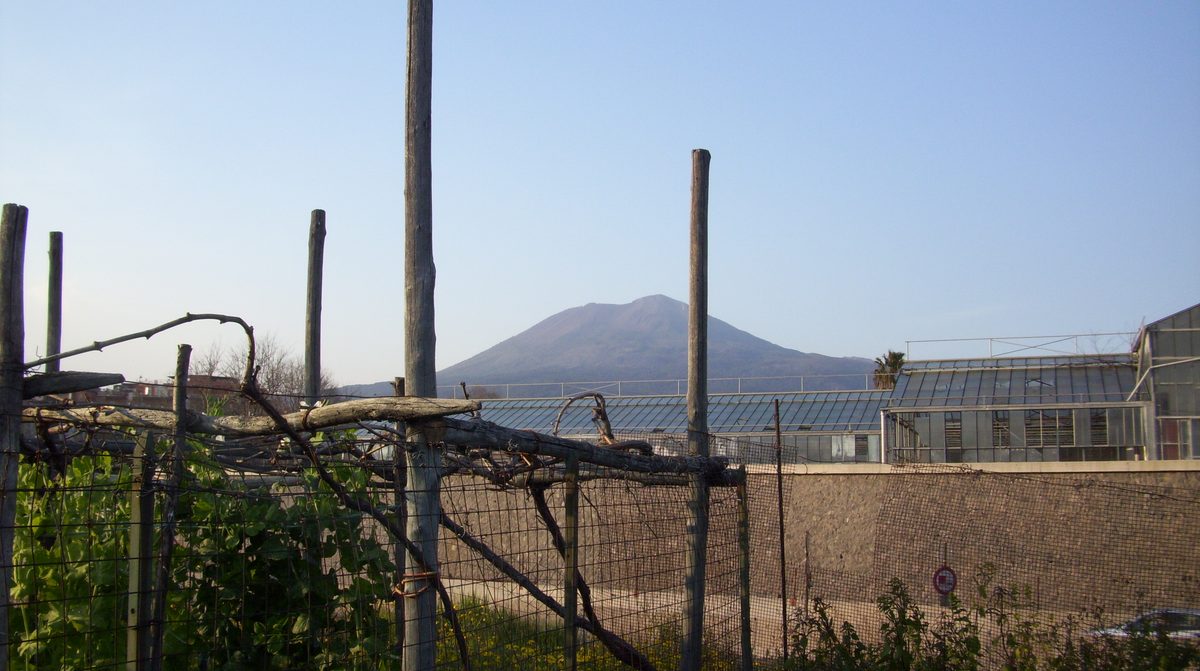
In Trecase, inside Vesuvius National Park, the Setaro family ages its wines under the family house, in a cellar cut into rock from the volcano's last great eruption; the stone keeps temperature and humidity where wine needs them. Twelve organic hectares at 200–350 m, all on their own roots. The Munazei Bianco is pure Caprettone, six months in steel and no oak: freshness comes first. Tastings last about 90 minutes and begin in the vineyard; booking required.
Details →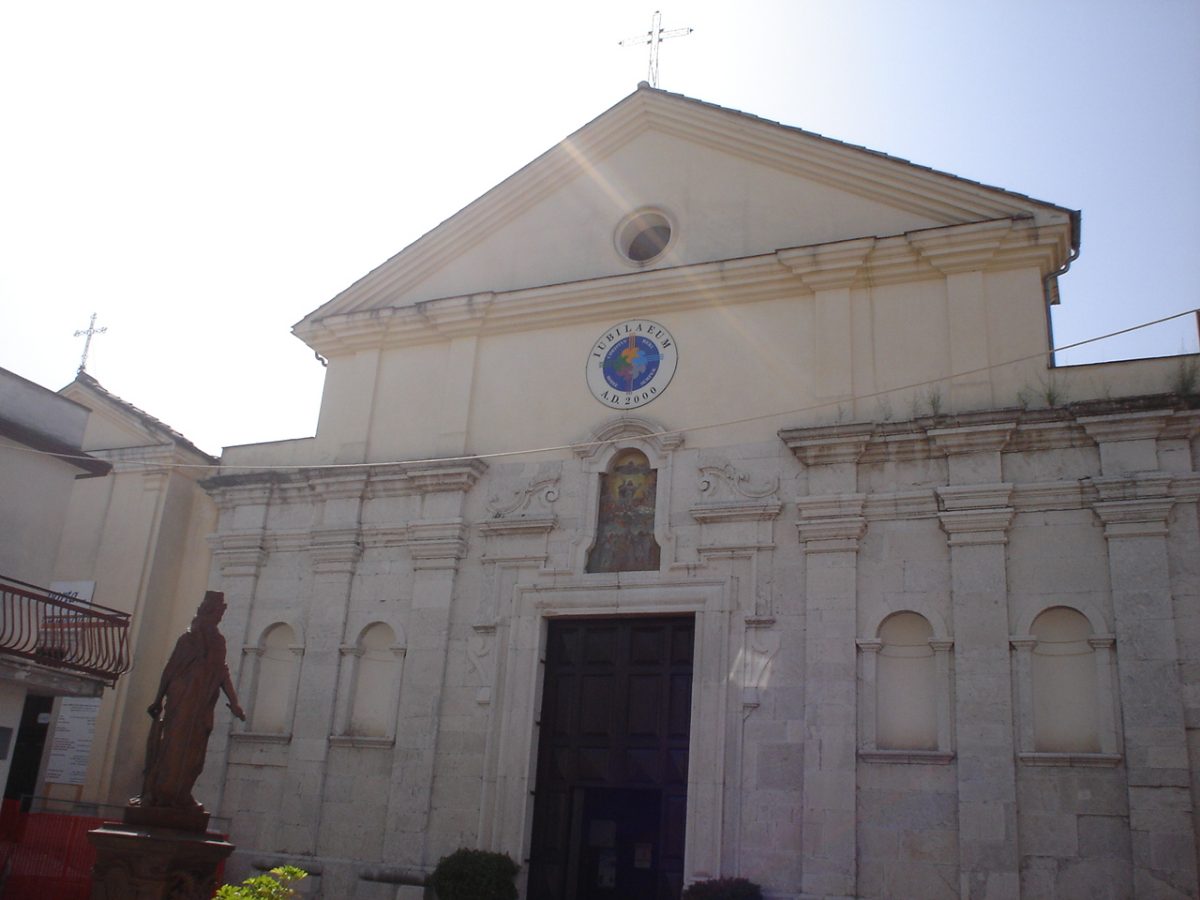
Founded in 2001 by Luigi Moio — professor of oenology at the University of Naples and one of Italy's most respected winemakers — with his wife Laura Di Marzio, in the hills of Mirabella Eclano at the 15th Roman mile of the Via Appia (hence the name). A small, precise estate; the tour ends in a 'caveau' holding every vintage since the first. By reservation only, about 1 h 30 from the coast.
Details →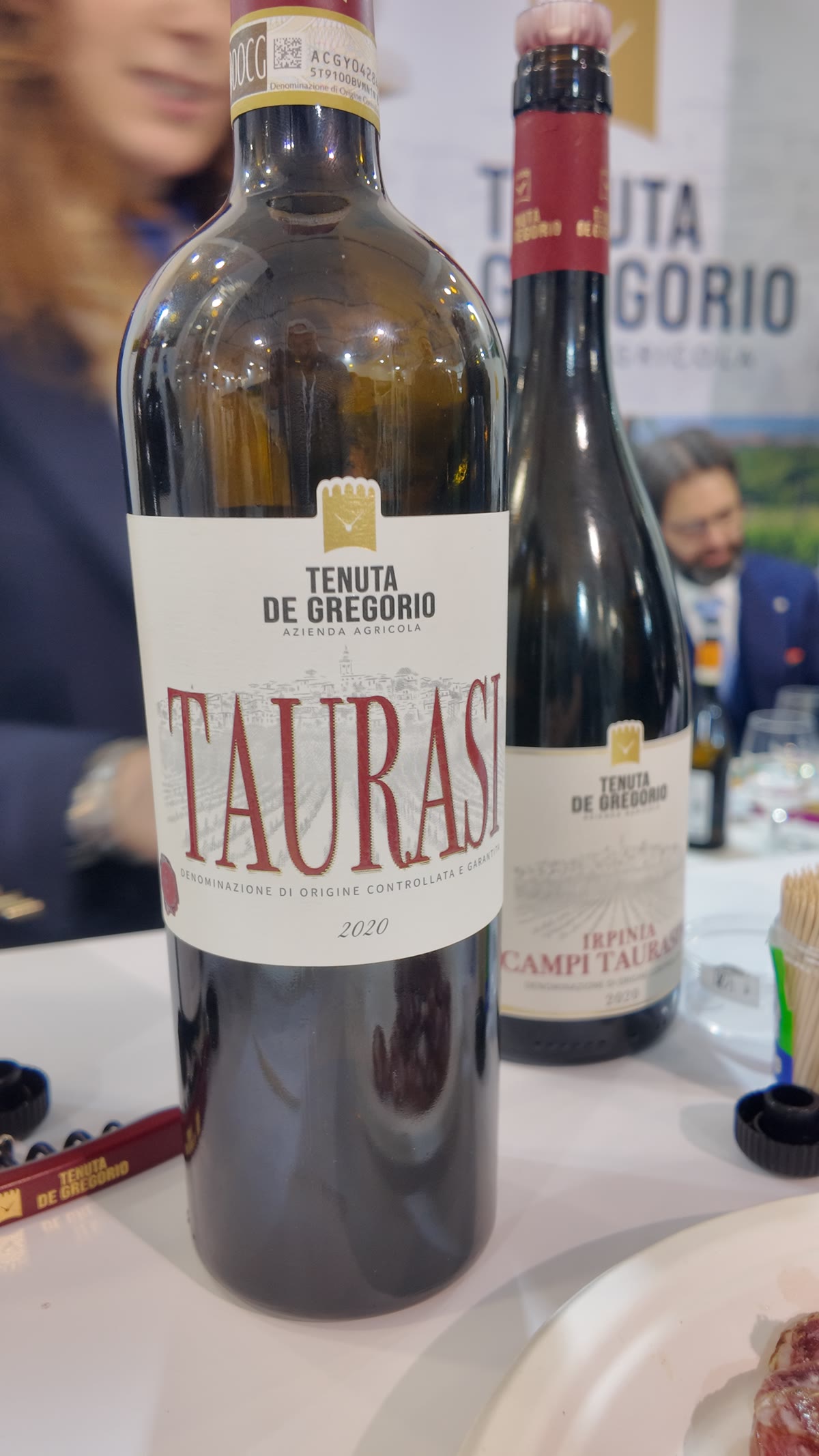
A winery in Taurasi, in Contrada Carazita, in Irpinia: Aglianico reds from Taurasi to Campi Taurasini, plus Falanghina, Greco di Tufo and an Aglianico rosé. Contact the winery first to arrange a visit.
Details →Winery at Castelfranci, in the Taurasi area of Irpinia, with Aglianico and a little Coda di Volpe. Taurasi DOCG and Taurasi Riserva, plus Irpinia Aglianico, Irpinia Campi Taurasini and Irpinia Coda di Volpe. Visits by email, in advance.
Details →